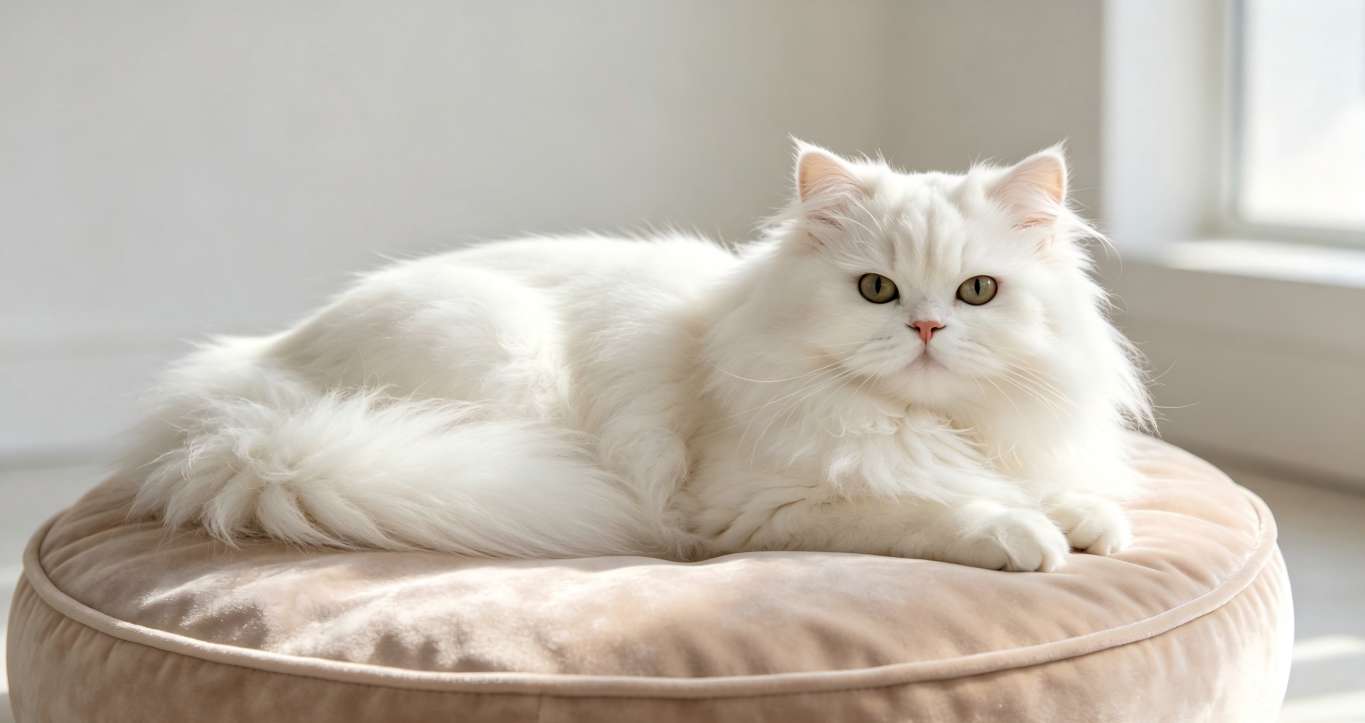
Persian cats are one of the oldest and most recognizable domestic cat breeds in the world, celebrated for their incredibly long silky fur, flat facial structure, calm demeanor, and elegant appearance. Many cat lovers wonder where this classic breed originally came from. The answer is clear — Persian cats are native to Western Asia, historically rooted in modern-day Iran (formerly known as Persia), making them a true ancient Asian cat breed with hundreds of years of history.
Native Habitat and Origin History
Persian cats originated in the highland regions of Persia, known today as Iran, as well as surrounding areas of Western Asia. These long-haired cats naturally evolved to adapt to cold mountain climates, developing thick coats to withstand low temperatures. Unlike newly developed modern cat breeds, Persians are a naturally occurring ancient breed with pure native Asian bloodlines.
Centuries ago, Persian cats were traded across Europe and other continents, quickly gaining popularity among nobles and royal families for their luxurious coats and quiet, gentle personalities. Despite being widely bred all over the world today, their original native habitat remains the mountainous areas of Western Asia.
Characteristics and Adaptations
Persian cats are best known for their extremely dense, long, glossy fur, which served as natural insulation in their cool native mountain environments. Their short muzzles, round faces, large round eyes, and stocky compact bodies are signature breed features formed through long-term natural adaptation and selective breeding.
Unlike active, high-energy cat breeds, Persians have a calm, quiet, and reserved temperament. They are docile, less curious about outdoor exploration, and prefer stable, peaceful environments. Their gentle, non-confrontational nature made them ideal indoor companion cats throughout history. As carnivorous domestic felines, they rely on high-quality protein diets to maintain healthy skin and beautiful coat condition.
Behavior and Daily Ecology
Persian cats are typical indoor companion felines with mild and lazy living habits. They enjoy resting on soft cushions, staying close to their owners, and prefer quiet daily routines. They have low activity levels and rarely jump or climb aggressively, making them perfect for indoor family life.
This breed is highly affectionate but independent. They do not demand constant attention but enjoy gentle petting and company. Persian kittens mature slowly and develop their full long coats gradually as they grow older. They adapt well to stable home environments and are sensitive to cold temperatures, a trait inherited from their highland native origins.
Popularity and Care Status
Persian cats are globally popular and recognized by all major international cat associations. They face no survival threats and remain one of the most classic and beloved purebred cat breeds worldwide.
Due to their long fur and flat facial structure, Persians require specialized daily care. Regular grooming is essential to prevent matting, and owners must pay attention to eye cleaning and respiratory health. Modern standardized breeding programs focus on improving breed health while preserving their classic elegant appearance and gentle personality.
Conclusion
To sum up, Persian cats are ancient cat breeds native to Western Asia, originating from the mountainous regions of Persia (Iran). Their unique physical features and quiet temperament are formed by long-term adaptation to the local climate and living environment. Understanding their native background helps owners provide more scientific and targeted daily care, allowing these elegant ancient cats to live comfortably and healthily in modern family environments.
Frequently Asked Questions
Are Persian cats dangerous to humans?
Persian cats are extremely gentle and safe companion animals. They have very mild temperaments, rarely scratch or bite, and are tolerant of children and family interactions. They only stay quiet or hide when feeling stressed.
Can Persian cats live outside their native Asian regions?
Yes, they can adapt to most regions worldwide. However, due to their thick long coats and weak heat resistance, they are more suitable for indoor living and require temperature regulation in hot climates.
What do Persian cats eat?
They thrive on high-protein cat food, nutritious wet food, and vitamin-rich supplements. A balanced diet helps maintain coat gloss and prevent skin and hair problems common to long-haired breeds.
How long do Persian cats live?
With proper grooming, regular health checks, and scientific feeding, Persian cats usually live 12–17 years.
Are Persian cats good pets?
Absolutely ideal for indoor families. Their quiet, docile, and clean nature makes them perfect companion pets for apartments, families, and first-time cat owners who prefer calm and gentle breeds.