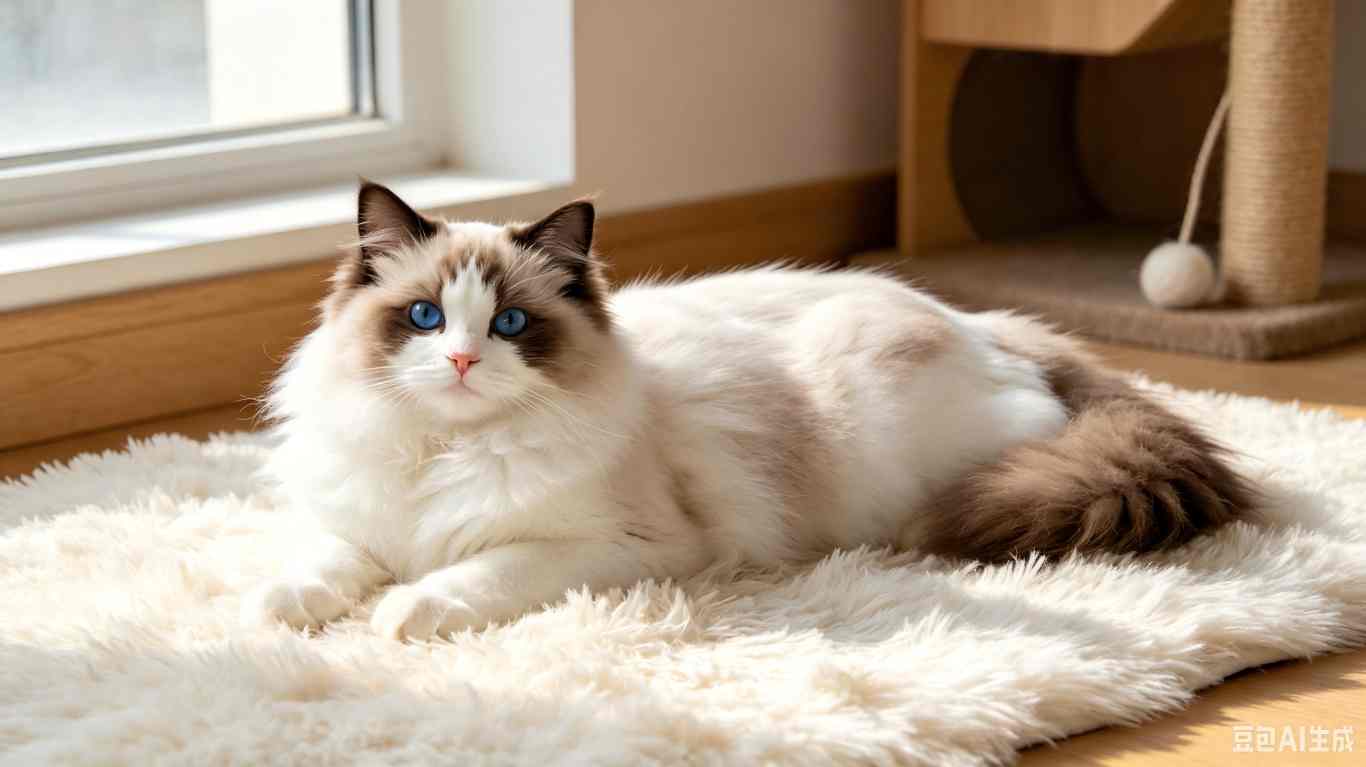
Ragdoll cats are world-famous gentle felines that win people’s hearts with their fluffy long coats, bright blue eyes and docile, laid-back temperament. Many cat lovers wonder whether this beloved breed originates from the United States. The clear answer is yes—Ragdoll cats are an American-origin cat breed, first bred and developed in California over half a century ago.
Native Origin & Birthplace of Ragdoll Cats
Ragdolls are not wild native animals but a man-made domestic cat breed created in North America. The breed’s origin traces back to Riverside, California in the 1960s. A breeder named Ann Baker developed the first Ragdoll line from a white long-haired stray cat named Josephine, crossbreeding her with several other cat varieties to lock in the breed’s signature soft personality, large size, color-point markings and limp floppy body when held.
There are several core recognized Ragdoll varieties today, separated by color patterns: colorpoint, mitted, bicolor and lynx. All lines descend from the original American breeding stock and remain most popular across the United States before spreading globally to Europe, Asia and Australia.
Breed Characteristics and Unique Adaptations
Ragdolls stand out from other long-haired cat breeds with multiple exclusive traits shaped by decades of selective breeding. They have large, sturdy muscular bodies paired with silky semi-long fur that lacks dense undercoat matting compared to Persians. Their vivid sapphire-blue eyes are a mandatory breed standard.
The breed earned its name “Ragdoll” because they fully relax and go limp like a rag doll when picked up, a gentle genetic trait unique to the breed. They possess mild, non-confrontational personalities, rarely scratching or biting even when handled by children. As omnivorous domestic cats, they thrive on high-protein cat food, wet meals and occasional safe treats, with a calm digestive system suited for indoor living.
Behavior and Daily Ecology
Ragdolls are extremely people-oriented indoor cats with low wild hunting instincts. Unlike active shorthair breeds, they prefer slow, quiet play, following their owners around the house and curling up on laps for hours. They rarely wander far from their family and show little desire to escape outdoors.
Female Ragdolls produce litters of soft, slow-maturing kittens; young Ragdolls only fully develop their distinct color markings and full adult coats by the age of two. Kittens are naturally trusting toward humans and adapt quickly to multi-pet households with other cats or calm dogs.
Breed Popularity & Protection & Care Status
Ragdolls face no extinction risk and remain one of the top registered cat breeds with major American feline associations. However, unregulated backyard breeding has created issues: poorly bred Ragdoll mixes often suffer from heart disease, bladder stones and coat quality defects.
Responsible breeding standards in the U.S. focus on genetic health screening to eliminate inherited illnesses, limit overbreeding and educate owners on long-term grooming and dietary care to keep the breed healthy. Formal cat associations worldwide uphold the original American Ragdoll breed standards to preserve their signature appearance and temperament.
Conclusion
In summary, Ragdoll cats are a man-made cat breed native to the United States, originating from California selective breeding programs. Their signature blue eyes, fluffy coats and ultra-gentle nature are the result of intentional American breeding work. Learning about their American origins helps owners better understand their special personality traits and support ethical, healthy breeding practices for this sweet companion cat.
Frequently Asked Questions
Are Ragdoll cats dangerous to humans?
Ragdolls are one of the gentlest cat breeds. They almost never scratch or bite and tolerate gentle handling by kids and strangers; they only hide rather than attack when frightened.
Can Ragdoll cats survive outdoors far from their American origin environment?
They were bred exclusively for indoor life. Though they can live in all countries worldwide, they cannot survive long outdoors without human care due to their low self-defense instincts and long fur prone to tangling and cold damage.
What do Ragdoll cats eat?
Their diet consists of high-protein cat kibble, canned wet food, freeze-dried meat treats, and small amounts of safe fruits like pumpkin to aid digestion. Avoid cheap filler-heavy food that causes fur loss.
How long do Ragdoll cats live?
With proper nutrition and regular vet checkups, healthy purebred Ragdolls live 12–17 years; well-cared-for individuals can exceed 20 years of age.
Are Ragdoll cats suitable for first-time pet owners?
Yes, they are ideal beginner cats. Their calm, forgiving temperament and moderate activity level make them perfect for families, singles and senior owners. They only require weekly brushing to prevent light matting.