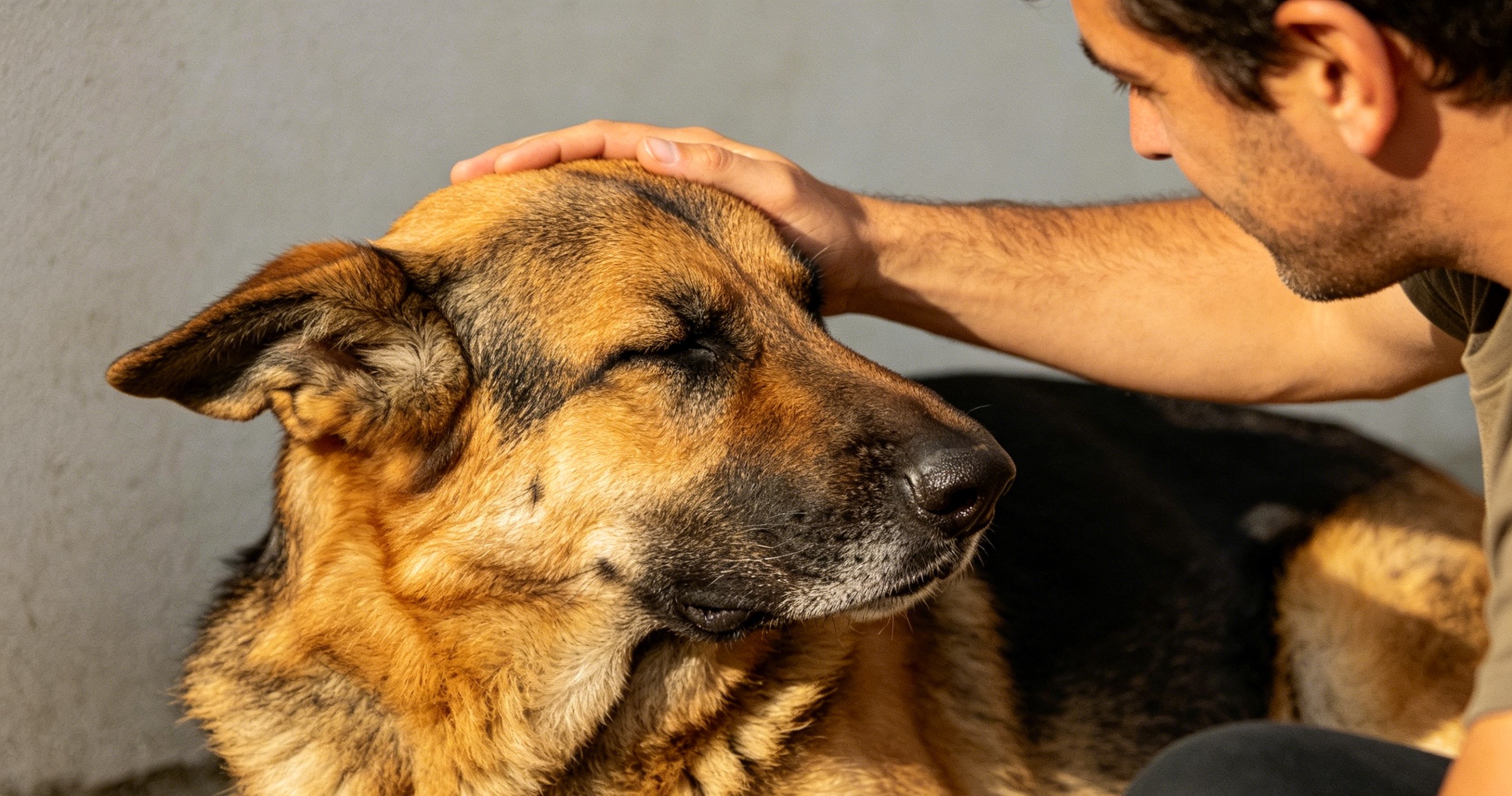
German Shepherds are world-famous working breeds widely used as police dogs, search-and-rescue partners and loyal family guardians. Many pet lovers admire their sharp intelligence, noble appearance and fierce devotion to their owners. A common question for new and prospective owners is whether you can safely touch, cuddle and interact with a German Shepherd, and what rules you need to follow to avoid stress, fear or defensive reactions from the dog. This guide covers their natural temperament, proper interaction methods, hidden risks of mishandling, daily care and key safety tips for all German Shepherd keepers.
Understanding the Natural Temperament of German Shepherds
German Shepherds were bred in Germany as herding and guarding dogs, with a strong innate protective instinct. They rank third in canine intelligence, capable of memorizing dozens of commands with minimal repetition.
To their family members, they are gentle, clingy and patient, willing to stay close and comfort their owners during low moods. Towards strangers, they stay alert and reserved instead of randomly attacking; well-socialized GSDs can distinguish harmless guests from real threats.
However, they carry the genetics of working dogs: they have extremely high energy levels, strong prey drive and a sensitive sense of territory. Improper, rough or frequent forced touching will trigger anxiety, growling or snapping, even from dogs that seem calm at first glance. They also develop separation anxiety easily if left alone for long hours, which makes them more irritable during human contact.
How to Interact and Pet a German Shepherd Safely
Before touching any German Shepherd, especially unfamiliar ones or young puppies, follow these standardized gentle steps to build trust:
- Observe body language first
Only approach if the dog wags its tail loosely, holds relaxed ears and leans toward you voluntarily. If it tucks its tail, flattens ears, licks lips repeatedly or steps backward, stop all interaction at once—it feels threatened. - Slow, non-threatening approach
Squat sideways instead of standing tall overhead, which reduces the sense of oppression. Extend the back of your hand for the dog to sniff freely; never rush to grab its head or face directly. - Stick to safe petting zones
Focus on the chest, chin, shoulder and upper back when stroking. Avoid sudden touches on the top of the head, belly, paws, tail root and hindquarters—these are sensitive areas that most German Shepherds dislike being touched without full trust. - Control interaction duration
Each cuddle or petting session should last 5–10 minutes maximum. Long continuous touching overstimulates their alert instincts and causes stress. If the dog turns away or tries to walk off, let it rest immediately. - Gentle, smooth movements
Stroke along the direction of their double coat; do not squeeze, pull fur, slap or tug ears and tail. Rough handling will make the dog associate human touch with pain.
Risks of Improper Interaction
German Shepherds are not naturally aggressive, but wrong contact creates multiple risks for both humans and the dog itself.
- Defensive biting incidents
Forcing touch on sensitive areas, startling them from behind, or disturbing them while eating/sleeping triggers protective snapping, which can break human skin and cause infection. - Severe mental stress
Over-frequent handling leads to chronic anxiety, manifesting as excessive barking, destructive chewing, loss of appetite and even fearful aggression toward all people. - Cross-transmission of bacteria
Dogs carry natural bacteria on their fur and paws. If you touch your eyes, mouth or wounds right after contact without washing hands, you may get mild skin irritation or stomach discomfort. - Aggravated guarding behavior
Repeated inappropriate touching reinforces their territorial instinct, making them overprotective of their food, beds and owners in daily life.
To cut down all risks, always wash your hands thoroughly with soap after every interaction with your German Shepherd. Never approach or touch stray German Shepherds without their owner’s permission, as unsocialized strays have unpredictable defensive reactions.
Full Daily Care Beyond Simple Petting
Safe interaction is only one small part of raising a healthy German Shepherd. Their working-dog genes bring strict daily care requirements to keep them calm and friendly during human contact:
Exercise
They require 1.5–2 hours of outdoor activity every day, including walking, jogging or fetch games. Underexercised GSDs build up pent-up energy and become irritable when being touched. Never let them run violently within one hour after meals to avoid life-threatening gastric torsion.
Coat Grooming
German Shepherds have thick double coats that shed heavily in spring and autumn. Brush the whole body daily during shedding seasons, 1–2 times weekly off-season to remove dead fur and prevent painful matting that makes them resist being touched. Bathe only once or twice a month with dog-specific shampoo, and blow-dry the undercoat fully to avoid skin inflammation.
Scientific Feeding
Choose high-protein large-breed dog food rich in joint-support nutrients. Split meals into 2 portions per day for adults, 3–4 small meals for puppies. Strictly avoid toxic food including chocolate, grapes, onions, garlic and cooked poultry bones. Control fat intake to reduce risks of pancreatitis and joint pressure.
Health Protection
German Shepherds have high risks of hip and elbow dysplasia. Limit intense jumping and stair climbing for puppies under 6 months old; add joint supplements as they age. Schedule annual full physical exams to screen for spinal degenerative disease and urinary issues. Regular internal and external parasite prevention keeps them comfortable during petting.
Conclusion
You can safely pet, cuddle and interact with a German Shepherd as long as you follow gentle, respectful handling rules. Reading their body language, limiting touch time, avoiding sensitive body zones and respecting their boundaries are the core of positive human-dog interaction. Pair gentle daily contact with enough exercise, consistent grooming and scientific feeding, and your German Shepherd will grow into a calm, affectionate companion that enjoys spending time with you.
Frequently Asked Questions
Can I pet my German Shepherd every day for hours?
It is not recommended. Long daily touching causes chronic stress. Short, positive sessions separated by rest periods are much better for their mental health.
What should I do if my German Shepherd growls when I touch it?
Stop all movement immediately, step back slowly and leave it alone. Do not scold or punish the dog—growling is its warning signal that it feels uncomfortable. Identify the sensitive spot or trigger and avoid touching that area later.
Are German Shepherds safe for young children to interact with?
Yes, only under full adult supervision. Teach kids slow, soft petting and forbid pulling tails, ears or climbing on the dog. Early socialization with kids from puppyhood improves their tolerance greatly.
Can interaction with a German Shepherd spread germs to humans?
Basic handwashing before and after touching minimizes this risk significantly. Avoid letting the dog lick open wounds or your face to prevent bacterial transfer.
Do all German Shepherds like being hugged tightly?
Most do not. Tight hugs restrict their movement and trigger a sense of being trapped, which easily leads to defensive reactions. Gentle loose cuddling is preferred over full tight embraces.