
There is a small animal that many people overlook on their way to more famous pets, and that is a shame, because the gerbil is one of the most delightful, curious, and personality-packed creatures you can keep. With their long, tufted tails, bright, watchful eyes, and a boundless enthusiasm for digging, exploring, and rearranging everything in their home, gerbils are endlessly entertaining pets, and they have a secret advantage over many other small animals: they are fascinating to watch doing the thing they love most, which is burrowing. Unlike the mostly nocturnal hamster, gerbils are active during the day and evening, which means you actually get to enjoy them, and they are famously social, living happily in pairs and groups. This guide covers the housing, diet, and burrowing needs that will let you give gerbils the life they were built for.
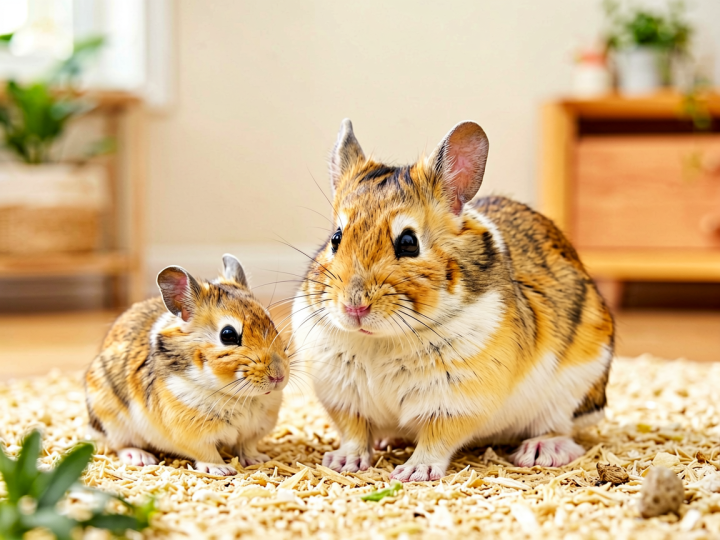
The Mongolian gerbil is the species kept as a pet, a small desert rodent from the grasslands of Central Asia, and its desert heritage explains almost everything about how to care for it. Desert animals need little water, and gerbils produce very little urine, which is the reason they make wonderfully clean pets with almost no smell, a genuine advantage over hamsters and mice. They are also adapted to dig, and digging is not a habit or a hobby for a gerbil; it is a deep biological drive as essential as eating. A gerbil without the chance to dig is a stressed, unhappy gerbil, so providing deep, diggable bedding is not optional, it is the heart of gerbil care.
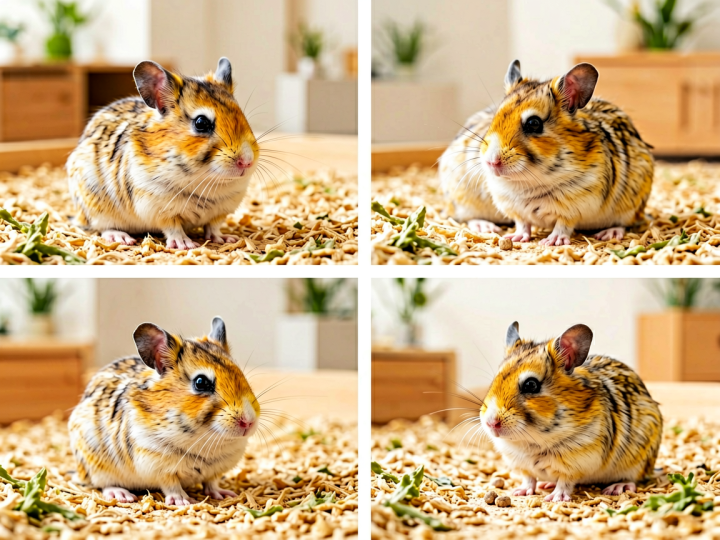
Housing: Room to Dig and Run
Because burrowing is so central to their nature, gerbil housing begins with depth. A gerbil needs deep bedding, at least six to eight inches and more is better, and the ideal enclosure is a large glass aquarium or a deep bin cage, because gerbils are notorious for kicking bedding everywhere and an open wire cage will spray substrate across the room. A glass tank of twenty gallons or larger for a pair is a reasonable minimum, and bigger is always better, because gerbils need both the deep burrowing zone and an open area above it for a wheel, toys, and a food dish. A secure, well-ventilated mesh lid is essential, because gerbils can jump impressively high and are determined escape artists.
Within the enclosure, gerbils need the same basic furniture as most small rodents, but with their own preferences. A solid-surface wheel large enough that their backs do not arch gives them the running they need. A ceramic food bowl that is too heavy to tip over, a water bottle with fresh water, and a hideout or house provide comfort. For bedding, use paper-based or aspen bedding, which holds tunnels well and is safe for their respiratory systems, and never use pine or cedar shavings, which are toxic to small animals. You will also want to add hay, cardboard tubes, and safe wooden chew toys, because gerbils both chew and dig, and a gerbil kept busy is a happy gerbil.
One of the most charming things about gerbils is watching them build. They will dig elaborate tunnels, stuff their cheeks with bedding, and construct little nests, and many gerbils delight in rearranging their furniture, moving their house, wheel, and food bowl to new positions with tireless enthusiasm. This is not mess for mess’s sake; it is a gerbil being a gerbil, and providing the materials for it to do so is one of the greatest gifts you can give.
Diet and Feeding
Gerbils are omnivores with simple dietary needs, and the foundation is a good-quality gerbil or hamster mix, preferably one that is mostly grain and seed based with a modest protein content. A small daily portion is all they need, because gerbils, like all small rodents, have fast metabolisms but tiny stomachs, and overfeeding leads to obesity. Offer the food in a heavy bowl to prevent tipping, and also scatter some of it so the gerbils can forage, which taps into their natural food-searching behavior and provides enrichment.
Supplement the staple with small amounts of fresh vegetables most days, such as carrot, broccoli, cucumber, and leafy greens, and with occasional treats of fruit like a small piece of apple. Gerbils benefit from a little protein a couple of times a week, a bit of boiled egg, a mealworm, or a small piece of plain chicken, and they enjoy gnawing on a piece of hay or a safe wood chew. Avoid the usual dangerous list: chocolate, caffeine, alcohol, onions, garlic, citrus, and anything sugary or salty, and remember that gerbils store food in their burrows, so check for and remove any uneaten fresh food before it spoils. Fresh, clean water must always be available, and the bottle should be checked and refilled daily.
Social Life: Never Keep a Gerbil Alone
This is the most important behavioral point in all of gerbil care: gerbils are social animals, and a single gerbil living alone is a genuinely unhappy creature. In the wild, gerbils live in family groups, and they have evolved to need company. The right way to keep them is in a pair or a small same-sex group, ideally siblings from the same litter who have grown up together. Introducing adult gerbils to each other is difficult and sometimes dangerous, so the safest approach is to start with bonded littermates. If a gerbil’s cagemate dies, the survivor can grieve deeply and decline, and the kindest response is usually to introduce a young companion carefully, following established introduction techniques and under close supervision.
Gerbils bond to each other with adorable rituals, grooming each other, sleeping in a pile, and talking in soft squeaks, and watching a bonded pair is one of the great joys of gerbil keeping. They also bond to their human caregivers. Gerbils are naturally curious rather than fearful, and with gentle, patient handling they become remarkably tame, happily climbing into your hand, exploring your sleeves, and even sitting on your shoulder. Handle them regularly, scooping them gently with both hands and never grabbing them from above, and they will reward you with trust and affection that make them some of the most rewarding small pets you can keep.
Health and Lifespan
Gerbils are hardy animals with relatively few health problems, and with good care they typically live three to four years, with some reaching five. Their most notable health concern is a genetic predisposition to seizures, which can be alarming to witness, but which are often brief and do not necessarily harm the animal, and they also have a tendency toward some tumors and to dental problems, since their teeth grow continuously. The classic health problems of other small rodents are less common in gerbils, because they produce so little urine and stay so clean, but a wet or dirty enclosure is still a health risk. Learn what is normal for your gerbils and seek veterinary care for any concern, including lethargy, weight loss, changes in appetite, or discharge from the eyes or nose.
Gerbils are a wonderful choice for families and for anyone who wants a small pet they can actually watch and interact with, because their daytime activity, curious personalities, and remarkable burrowing behavior make them endlessly engaging. Give them deep bedding to dig in, a companion to snuggle with, a proper diet, and gentle handling, and you will be rewarded with a pair of cheerful, characterful little friends who fill their years with activity and joy. In the world of small pets, the gerbil is a hidden treasure, and once you keep one, you will wonder why everyone does not.
It is also worth understanding a quirk of gerbil behavior that delights and occasionally surprises new owners: gerbils drum their feet. When a gerbil is excited, alarmed, or curious, it will rapidly drum its hind feet against the ground, producing a soft, rhythmic thumping that serves as a communication signal to its companions. A gerbil may drum when it hears a new sound, when it is startled, or even when it is happy to see you, and watching a whole group drum in sequence is one of the most charming behaviors in small-pet keeping. Learning to read these signals is part of the joy of gerbil ownership, because the drumming tells you how your gerbils are feeling and helps you understand their world. New gerbils will drum more often as they learn that you are not a threat, and a gerbil that has learned to trust you may drum briefly to greet you before dashing over for a treat. The gerbil’s social language, its squeaks, its grooming rituals, its happy wrestling, and its drumming, makes these little desert rodents endlessly fascinating, and once you learn to speak a little of their language, you will understand exactly why so many owners become devoted to these cheerful, hardworking little diggers.
This article is for educational purposes only and is not a substitute for professional veterinary advice. Always consult a licensed veterinarian for specific questions about your pet’s health or care.