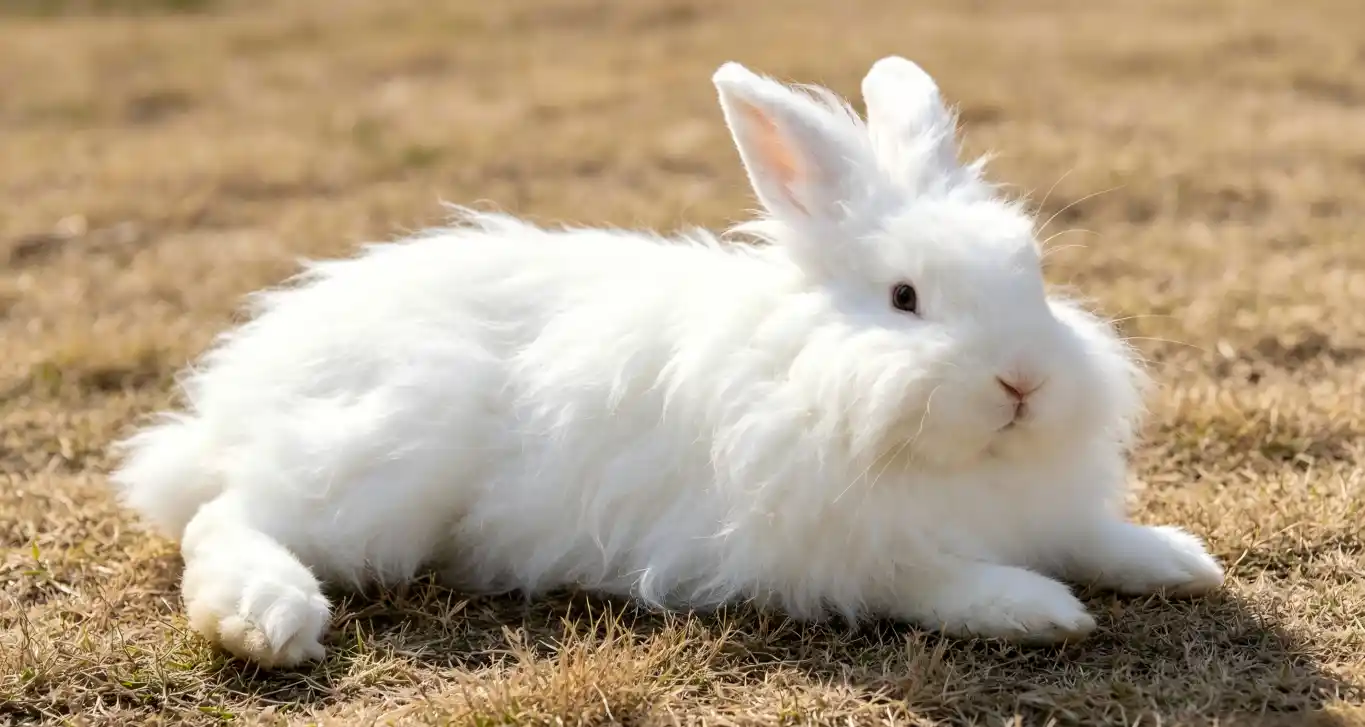
When you first see an Angora rabbit, your eyes are immediately drawn to its ultra-long, fluffy silky fur that covers nearly its entire body. Many new owners assume their paws are hidden under thick wool and that their claws are tiny, dull, and harmless. But there’s a key misunderstanding—these gentle long-haired rabbits have fully functional, sharp claws hidden beneath all that fluff, and their claws play a critical role in daily movement and survival. Let’s break down the anatomy, purpose, and care of Angora rabbit claws.
What Are Angora Rabbits?
Before diving into claws, let’s introduce this unique breed. Angora rabbits are one of the oldest fiber rabbit breeds, originating from Ankara (formerly Angora) in Turkey. They come in five recognized varieties: English, French, Giant, Satin and German Angora, distinguished by fur length and body size.
Their most iconic trait is dense, soft wool that can grow up to 25 centimeters long, covering the head, ears, body and paws, with only small sections of the face exposed. Though they look soft and fragile, they have sturdy limbs hidden under fur, and they live 7–12 years with proper grooming and diet. Unlike short-haired rabbits, Angoras require frequent brushing to prevent wool block and matting, and their hidden claws demand consistent maintenance too.
Do Angora Rabbits Actually Have Sharp Claws?
The clear answer: Yes, all Angora rabbits have sharp, continuously growing claws, fully concealed by thick foot wool.
Each front paw carries four curved keratin claws, while each hind paw has three longer, sturdier claws. A thin layer of long fur wraps around every toe, making claws invisible at first glance, but they stay pointed and hard as they grow.
Unlike cats, rabbits cannot retract their claws. Every hop, dig, and stretch relies on these sharp hooks for traction. Imagine walking on slippery tile with smooth shoes—without claws, Angoras slip constantly, risking joint strain and splay leg syndrome. The claws are sharp enough to grip wood, fleece bedding, and loose soil, yet most owners never notice them until they accidentally get scratched during handling.
The Anatomy of Angora Rabbit Claws
Every single claw has two core parts, identical across all Angora varieties:
- Keratin Outer Shell: The hard, curved sharp tip, which grows nonstop and needs trimming every 4–6 weeks for indoor pets.
- The Quick: A pink, living inner core filled with blood vessels and nerves, hidden inside each claw. Cutting into the quick causes pain and heavy bleeding.
A unique challenge for Angoras: overgrown claws get tangled in their own long foot fur. Unmaintained claws twist into mats, pull skin, and create painful sores on their paws. Short-haired rabbits avoid this issue, but Angoras’ dense wool creates constant claw-fur tangling risk.
How Claws Help Angora Rabbits in Daily Life
These hidden sharp claws are far more than just small nails—they support every core behavior:
- Traction & Movement: Claws dig into bedding, wood and carpet to stabilize jumps and fast hops. Smooth plastic cage floors leave them sliding without claw grip.
- Digging & Nest Building: Wild ancestors dug underground burrows for shelter; pet Angoras use claws to rearrange hay and bedding into warm nests.
- Self-Grooming: They use front claws to comb loose shed wool off their bodies to avoid life-threatening wool block.
- Gentle Defense: When scared, they extend claws to push away hands or other pets; their scratches are mild but noticeable if claws are overgrown.
- Balance: Hind claws anchor their weight when standing on hind legs to reach food or explore high surfaces.
An experienced Angora breeder named Mia shared a real observation: “I once skipped nail trims for one month, and my English Angora’s claws twisted into its foot wool. It stopped hopping and refused to groom itself until I carefully trimmed the claws and cut away tangled fur.”
Claws and Angora Rabbit Enclosure Setup
Knowing their claws’ functions changes how you build their living space:
- Flooring Texture: Avoid smooth plastic or glass cage bases. Add woven mats, wooden planks or natural hay to let claws wear down slightly naturally.
- Digging Zones: Provide a shallow box of timothy hay for digging behavior, which reduces destructive cage scratching and gently files claw edges.
- Grooming Stations: Place wide-tooth combs near their resting area—owners must brush foot wool weekly to stop claws from matting into fur.
- Low Platforms: Small wooden ramps give them surfaces to grip with claws for climbing; high ledges risk hard falls that injure unprotected paws.
Creating a textured, dig-friendly habitat keeps claws healthier and lowers trimming frequency.
Common Misconceptions About Angora Rabbit Claws
Many first-time owners believe these false claims:
- “Thick wool dulls their claws automatically.” Wrong—fur covers claws but does not wear them down. Indoor Angoras never get enough natural abrasion to control growth.
- “Declawing solves scratching problems.” Extremely dangerous and unethical. Declawing removes bone from each toe, permanently destroying mobility and causing lifelong chronic pain.
- “Angoras have softer claws than regular rabbits.” False. Their claws are identical in hardness to shorthair breeds; only the covering wool makes them look harmless.
- “Scratches from Angoras are harmless.” Overgrown sharp claws break skin easily and carry bacteria from dirty bedding, leading to minor infections.
How Claws Affect Handling and Routine Care
When holding or grooming an Angora rabbit, always account for its sharp hidden claws:
- Support their hindquarters fully to prevent panicked scratching when they feel unsteady.
- Lift long foot wool gently before trimming claws to avoid cutting trapped fur alongside the nail.
- Schedule trims every month; long-furred Angoras’ claws grow faster due to high-protein wool growth diets.
- If your rabbit resists trims, wrap it lightly in a soft fleece towel to limit kicking with hind claws.
Longtime Angora owners often comment: “Once you brush back the foot wool, you’re shocked how sharp those tiny claws really are—you have to stay careful during lap time.”
Comparing Claws Across Popular Rabbit Breeds
<table> <tr><th>Breed</th><th>Claw Visibility</th><th>Claw Sharpness</th><th>Extra Care Needs</th></tr> <tr><td>English Angora</td><td>Fully hidden under thick foot wool</td><td>Very sharp, fast growth</td><td>Weekly foot brushing + monthly trims</td></tr> <tr><td>French Angora</td><td>Partially visible paws</td><td>Moderately sharp</td><td>Trim every 5–6 weeks</td></tr> <tr><td>New Zealand Short Hair</td><td>Fully exposed claws</td><td>Sharp, natural wear</td><td>Trim every 6–8 weeks</td></tr> <tr><td>Lionhead Rabbit</td><td>Short paw fur, claws easy to see</td><td>Mild sharpness</td><td>Basic monthly trimming</td></tr> </table>
Interesting Facts About Angora Rabbit Claws
- Wool Tangling Risk: Overgrown claws catch loose shed fur, worsening wool block—the top fatal digestive issue for Angoras.
- Seasonal Growth: Claws grow faster in spring and fall, when rabbits shed heavily and consume extra protein for new wool.
- Molting Grooming Aid: Front claws act as built-in combs during shedding seasons to remove loose hair before ingestion.
- Wild Ancestor Trait: Wild Angora forebears relied on long sharp claws to dig deep frost-resistant burrows in Turkey’s cool highland climate.
These small, hidden claws are essential to an Angora’s physical health and natural behavior.
Conclusion: Unlocking the Hidden Claw Mystery
So, do Angora rabbits really have sharp claws? Absolutely. Their long fluffy wool hides fully functional, continuously growing sharp claws that power movement, digging and self-care. The myth that their paws are soft and harmless comes entirely from their thick covering fur.
Learning to spot, trim and protect their claws eliminates painful tangles, mobility issues and accidental scratches. Next time you groom your Angora, take a moment to brush aside the foot wool and examine its claws—these tiny sharp structures are unsung heroes keeping your fluffy rabbit happy and mobile.
Frequently Asked Questions
Can an Angora rabbit’s claws wear down naturally inside a cage?
Only minimally. Smooth indoor surfaces cannot file claws enough; regular trimming is mandatory for all pet Angoras.
Why do Angora rabbit claws get tangled in their fur so easily?
Their foot wool grows as long as body fur, wrapping tightly around each toe and catching curved claw edges as they lengthen.
Is it safe to trim Angora claws at home?
Yes, with rabbit-specific clippers. Always lift wool away from the claw first and avoid cutting the pink quick inside each nail.
Will trimming claws stress out my Angora rabbit?
Most calm Angoras tolerate trims if done slowly. Pair nail care with favorite hay treats to build positive associations.
Can overgrown claws make an Angora stop eating?
Indirectly yes. Painful twisted claws limit movement, reduce grooming, and increase wool block risk, which causes loss of appetite.