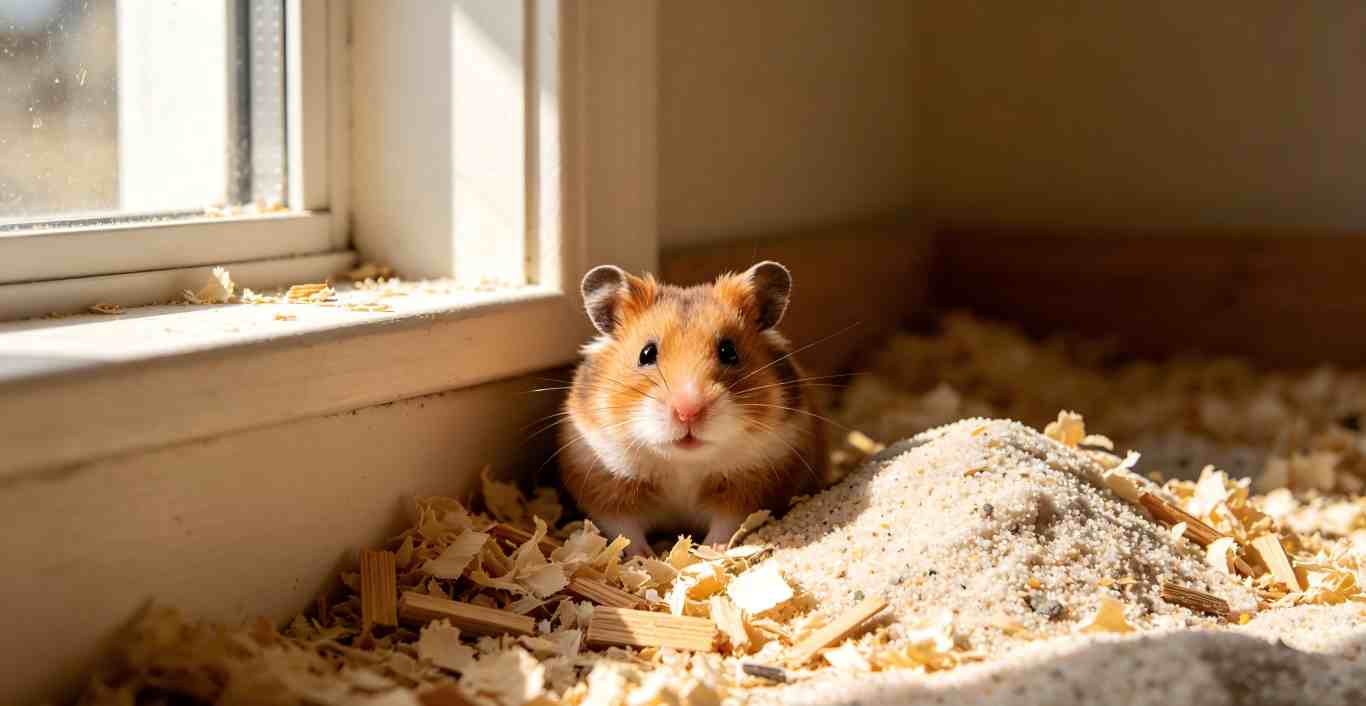
Campbell’s dwarf hamsters are one of the most common tiny pocket pets, loved for their mini round bodies, diverse coat colors, and lively personalities. A widespread myth among new owners is that these social-looking dwarf hamsters can live happily in pairs or groups. However, this belief is largely incorrect. Adult Campbell’s hamsters cannot safely live together long-term, and cohabitation usually leads to severe fighting and injury.
Why Do People Think Campbell’s Hamsters Can Live Together?
This popular misconception mainly comes from vague dwarf hamster knowledge and misleading pet store claims. Many people assume all small hamsters are social and enjoy companionship. In the wild, young Campbell’s hamsters may stay in small family groups for a short time, which makes people believe they are naturally social creatures.
In addition, juvenile Campbell’s hamsters appear calm and peaceful together, with no obvious aggression. Owners often keep two or more hamsters in one cage when they are young, mistakenly thinking they will get along well for life. This leads to serious conflicts once the hamsters reach sexual maturity.
The True Social Biology of Campbell’s Hamsters
Campbell’s dwarf hamsters are native to the dry steppes and semi-deserts of Central Asia, including Mongolia, southern Siberia, and northern China. Unlike parrots or guinea pigs that rely on group living, Campbell’s hamsters are naturally solitary animals in adulthood.
They have extremely strong territorial instincts, far more intense than Winter White dwarf hamsters. Once they grow to 2–3 months old, their independent and aggressive traits fully develop. Each adult Campbell’s hamster needs its exclusive territory for foraging, nesting, and storing food. Their bodies and instincts are not biologically adapted for long-term group cohabitation.
What Happens When Campbell’s Hamsters Cohabit
Keeping two adult Campbell’s hamsters together triggers fierce territorial competition. They will fight violently over cage space, food, water, and nesting spots. Unlike minor playful scuffles, their fights are brutal and purposeful.
Campbell’s hamsters have sharp teeth and strong biting power. Cohabiting individuals often suffer from bitten ears, wounded bodies, missing fur, or even fatal injuries. Male Campbell’s hamsters show the highest aggression, while paired females also frequently attack each other under limited living resources.
Social Hamster Comparison
Some small pets are truly social and thrive in pairs, such as certain rodent species that rely on group defense and cooperation. Syrian hamsters and Campbell’s dwarf hamsters are the complete opposite. While young hamsters may tolerate siblings temporarily, no adult Campbell’s hamster benefits from having a cage mate.
Even same-gender pairs and littermates will turn hostile after maturity. There is no reliable way to eliminate their territorial aggression. Safe solitary housing is the only natural and healthy raising method for Campbell’s hamsters.
Conclusion
In fact, Campbell’s hamsters cannot live happily in pairs or groups. The cohabitation myth arises from observing juvenile hamster behavior and misunderstanding their wild living habits. These tiny dwarf hamsters are solitary by nature and live their healthiest, stress-free lives when raised alone. Understanding their true social needs prevents unnecessary injury and helps owners raise calm, healthy Campbell’s hamsters.
Frequently Asked Questions
Can baby Campbell’s hamsters live together?
Yes, juvenile littermates can cohabit temporarily. You must separate them into individual cages once they reach 8–10 weeks old to avoid violent maturity fights.
Can male and female Campbell’s hamsters live together?
Absolutely not. They will breed rapidly and produce endless litters, while adult pair fighting remains common and dangerous.
Are Campbell’s hamsters more aggressive than other dwarf hamsters?
Yes. Campbell’s hamsters have stronger territorial awareness and higher biting risks than Winter White hamsters, making them less tolerant of cohabitation.
Will a lonely Campbell’s hamster get depressed?
No. Solitary living matches their natural instincts. A spacious cage, sufficient toys, and regular gentle interaction keep them active and healthy.
What is the best housing way for Campbell’s hamsters?
One hamster per cage is the only safe and standard raising method for adult Campbell’s dwarf hamsters.