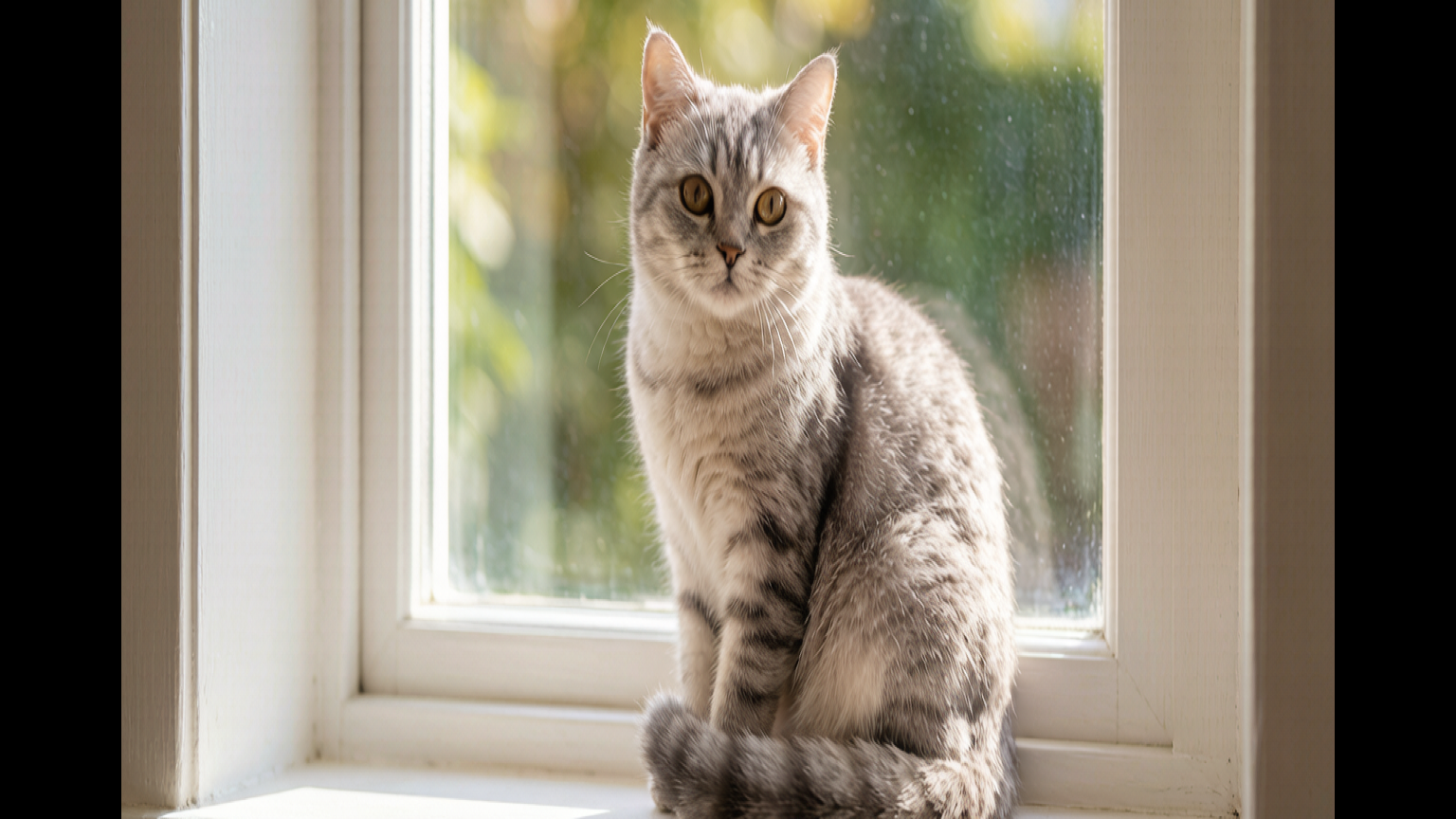
The Scottish Fold’s signature folded ears — the very trait that makes them irresistible to cat lovers — are caused by a genetic mutation affecting cartilage throughout the entire body. Those cute folded ears are the visible manifestation of a systemic skeletal disorder called osteochondrodysplasia.
The Genetic Mechanism
The fold is caused by an autosomal dominant mutation in the TRPV4 gene. If a kitten inherits even one copy of the folded-ear gene, it will develop the folded ear phenotype — and with it, abnormal cartilage development throughout every joint in its body. Breeding two folded-ear cats together produces “homozygous folds” with such severe, early-onset skeletal disease that most responsible registries ban the practice. But even heterozygous folds — those with only one copy, bred from one fold parent and one straight-ear parent — variably develop progressive, painful arthritis.
Symptoms of Osteochondrodysplasia
Affected cats develop thickened, inflexible tails (a key diagnostic sign), swollen and painful joints in the limbs, reluctance to jump or climb, abnormal gait and posture, and chronic pain that may not be obvious to owners — cats instinctively hide pain. Radiographs reveal characteristic bone spurs (exostoses), narrowed joint spaces, and deformed bones beginning as early as 7 weeks of age.
The Veterinary Consensus
Multiple national veterinary associations, including the British Veterinary Association and the Feline Advisory Bureau, have issued statements urging breeders and registries to stop breeding Scottish Folds. The genetic mutation has no cure and no treatment — only palliative pain management with NSAIDs, joint supplements, and eventually, for severe cases, surgical interventions. Several European countries have already banned the breeding of Scottish Folds under animal welfare legislation.
What Cat Lovers Can Do
If you already own a Scottish Fold, work closely with your veterinarian on early screening and proactive pain management. Joint supplements (glucosamine/chondroitin), omega-3 fatty acids, weight management, and environmental modifications like ramps and heated beds can significantly improve quality of life. If you’re considering a Scottish Fold, understand that you are almost certainly committing to caring for a chronically ill animal — the ethical choice is to choose a breed not afflicted by deliberately bred skeletal deformity.