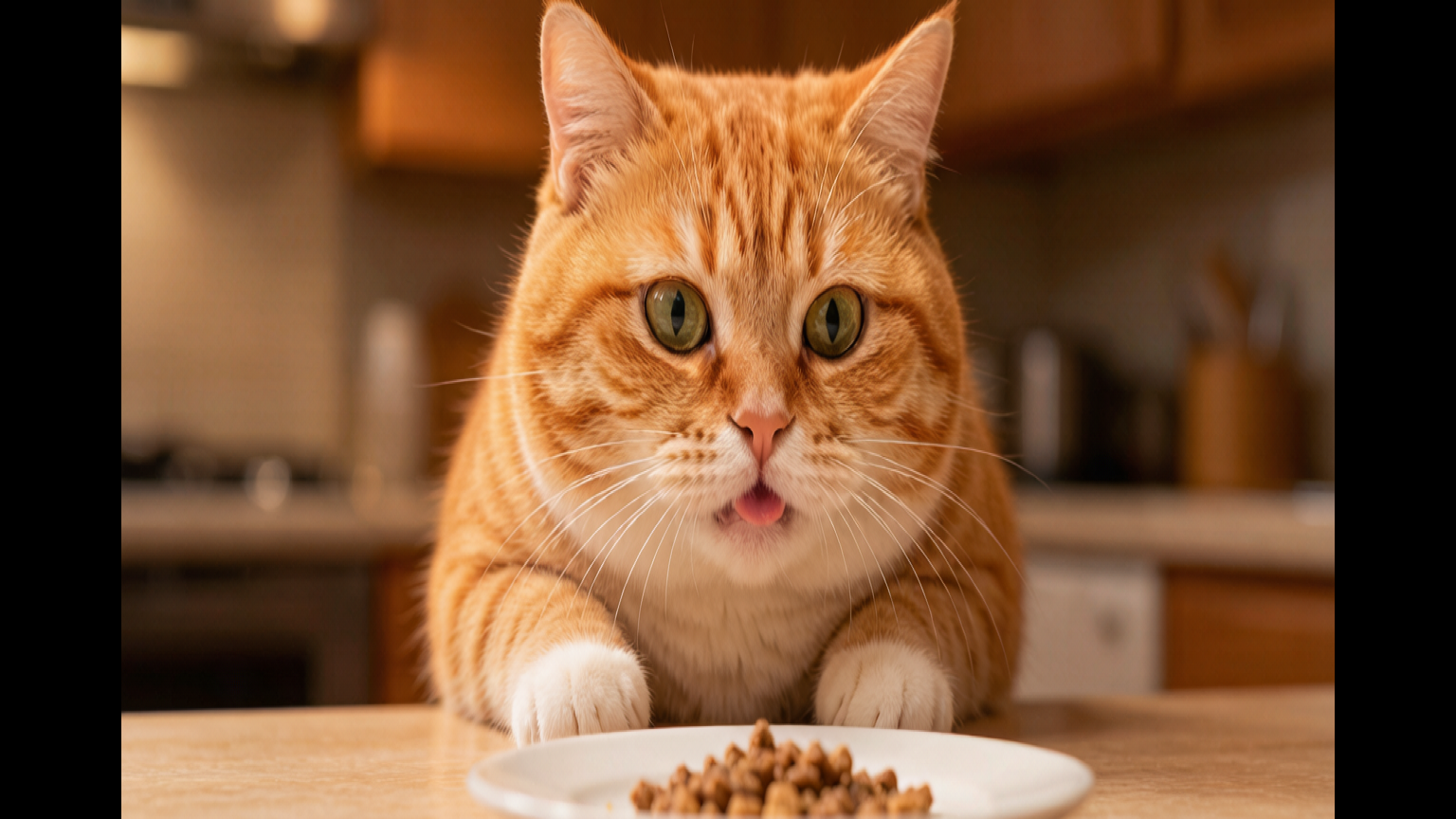
The internet’s beloved “chonky orange cat” meme has a basis in reality: orange tabbies do appear overrepresented among overweight cats. While coat color doesn’t directly cause obesity, the genetics and demographics behind orange cats create a perfect storm for weight gain.
The Orange Cat Profile
Approximately 80% of orange tabby cats are male — the orange gene is sex-linked on the X chromosome, meaning females need two copies while males need only one. Male cats, on average, have larger frames, slower metabolisms after neutering, and stronger food motivation than females. This demographic bias alone explains much of the “fat orange cat” phenomenon.
Why Neutered Males Pack on Pounds
Neutering reduces a cat’s metabolic rate by approximately 20-25% while simultaneously increasing appetite. Within 48 hours of neutering, food intake can increase by 30% or more while energy requirements drop. If food portions aren’t immediately adjusted post-neuter, rapid weight gain is inevitable.
The Science-Based Weight Control Plan
Calculate Calories: The average indoor neutered cat needs approximately 20-25 calories per pound of ideal body weight daily. For a cat whose ideal weight is 12 pounds: 240-300 calories per day. Check your food’s calorie density — many premium dry foods pack 400+ calories per cup, meaning even 3/4 cup daily can cause obesity.
Wet Food Advantage: Canned food provides 75-80% water versus 10% in kibble — creating stomach volume with fewer calories. A 5.5 oz can of pate-style food typically contains 150-200 calories, filling the stomach for far fewer calories than dry food.
Puzzle Feeding: Food puzzles and slow feeders force cats to work for their meals, satisfying their hunting instinct while slowing consumption. This addresses both the behavioral and caloric sides of weight management simultaneously.
Weight Loss Safety: Cats must never lose weight too rapidly — this can trigger hepatic lipidosis, a potentially fatal liver condition. Maximum safe weight loss is 0.5-2% of body weight per week, under veterinary supervision with regular weigh-ins.