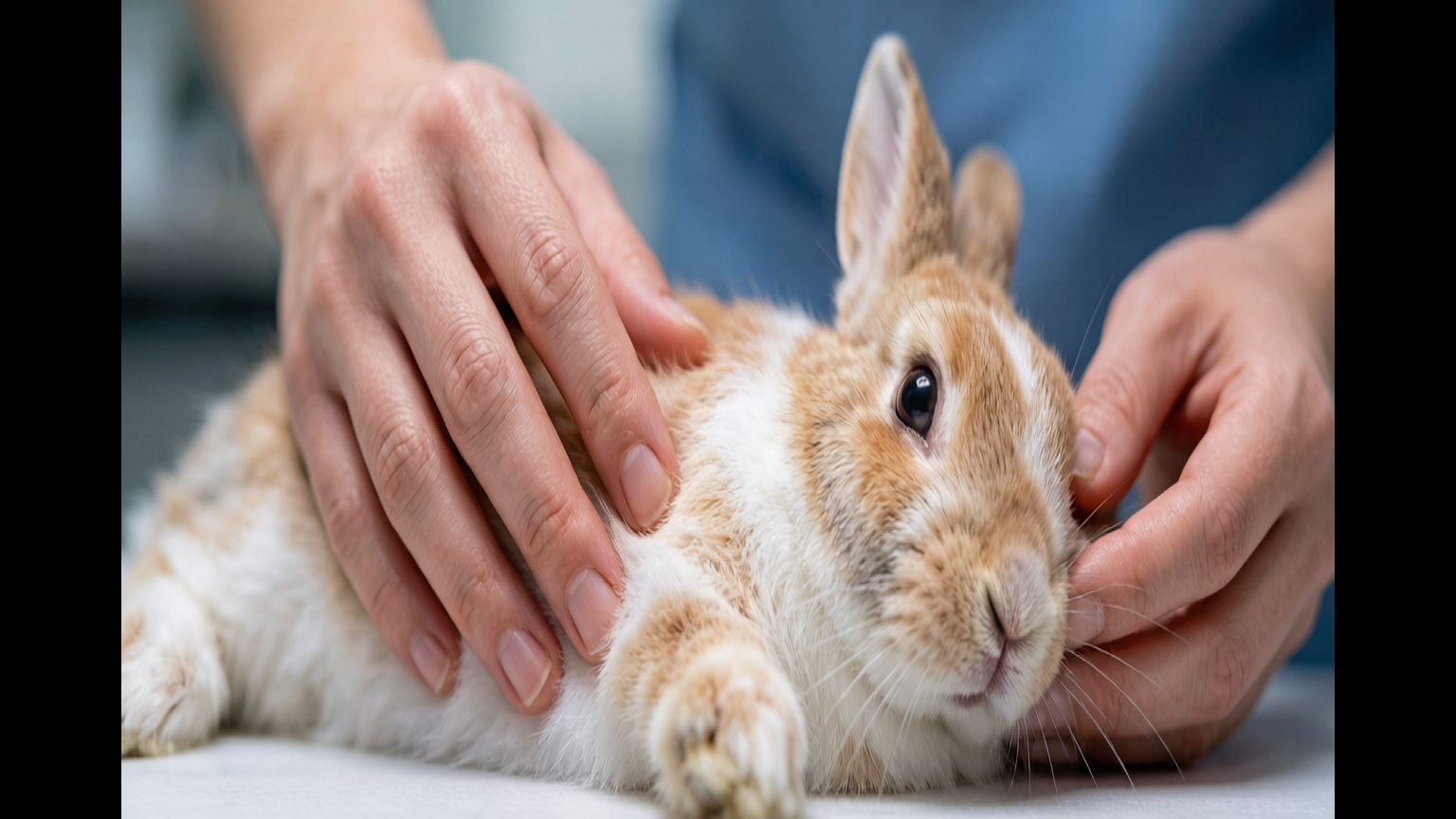
Gastrointestinal (GI) stasis is the most common emergency in pet rabbits and one of the most deadly. A rabbit who has not eaten or produced fecal pellets for 12-24 hours is in a life-threatening crisis. This is the rabbit equivalent of colic in horses — and requires the same level of emergency response.
Understanding GI Stasis
Rabbits are hindgut fermenters with a digestive system that must be in nearly constant motion. Unlike cats and dogs who can skip meals, a rabbit’s GI tract can slow to a complete halt within hours of not eating. Once the gut stops moving, gas builds up causing extreme pain, the pH of the cecum shifts, harmful bacteria proliferate, and toxins enter the bloodstream. Without treatment, organ failure and death follow — often within 24-48 hours.
Common Causes and Triggers
GI stasis is almost always secondary to an underlying problem: dental disease (overgrown teeth or molar spurs make eating painful), a diet too low in fiber and too high in carbohydrates, dehydration, stress (loud noises, new pets, travel), pain from any source (arthritis, injury), or intestinal blockage from ingested foreign material (carpet fibers, excessive fur from inadequate grooming).
Emergency Response Protocol
Do NOT Wait — Go to the Vet: GI stasis is a medical emergency needing professional care. Syringe Feeding: Oxbow Critical Care or soaked pellet slurry every 4-6 hours — 10-20 ml per kg body weight per feeding. Simethicone (Infant Gas Drops): 20 mg every hour for 3 hours to break up painful gas bubbles. Gentle Belly Massage: Clockwise circles for 10-15 minutes — stop if the rabbit shows pain. Heat Support: Heating pad on low under half the enclosure — sick rabbits lose body heat rapidly.
Veterinary Treatment
Expect subcutaneous or IV fluids, pain management (meloxicam or buprenorphine), prokinetic medications to stimulate gut movement, and radiographs to rule out blockage. Hospitalization for 24-72 hours is standard.
Prevention
Unlimited grass hay 24/7/365 is the single most important measure. Limit pellets to 1/4 cup per 5 lbs body weight. Daily fresh leafy greens. Annual veterinary dental exams. Daily monitoring of appetite and fecal output saves lives.