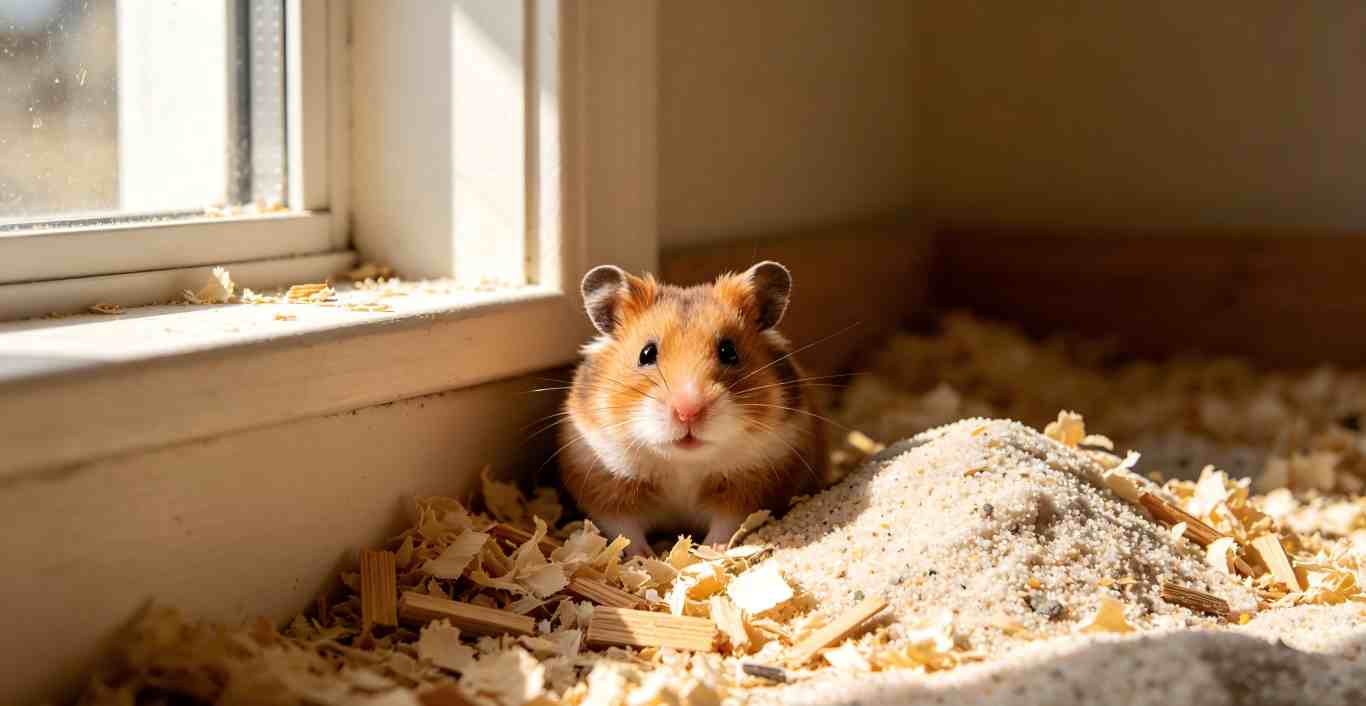
Djungarian hamsters, also known as Winter White dwarf hamsters, are popular tiny pocket pets famous for their soft fur, small size and gentle personality. Many new hamster owners hold a widespread belief: these cold-resistant dwarf hamsters can safely hibernate all winter long like wild bears. However, this statement is a complete misconception. Domestic Djungarian hamsters do not experience safe, natural seasonal hibernation; the stiff, motionless state they enter in cold weather is dangerous torpor, not true hibernation.
Why Do People Think Djungarian Hamsters Hibernate?
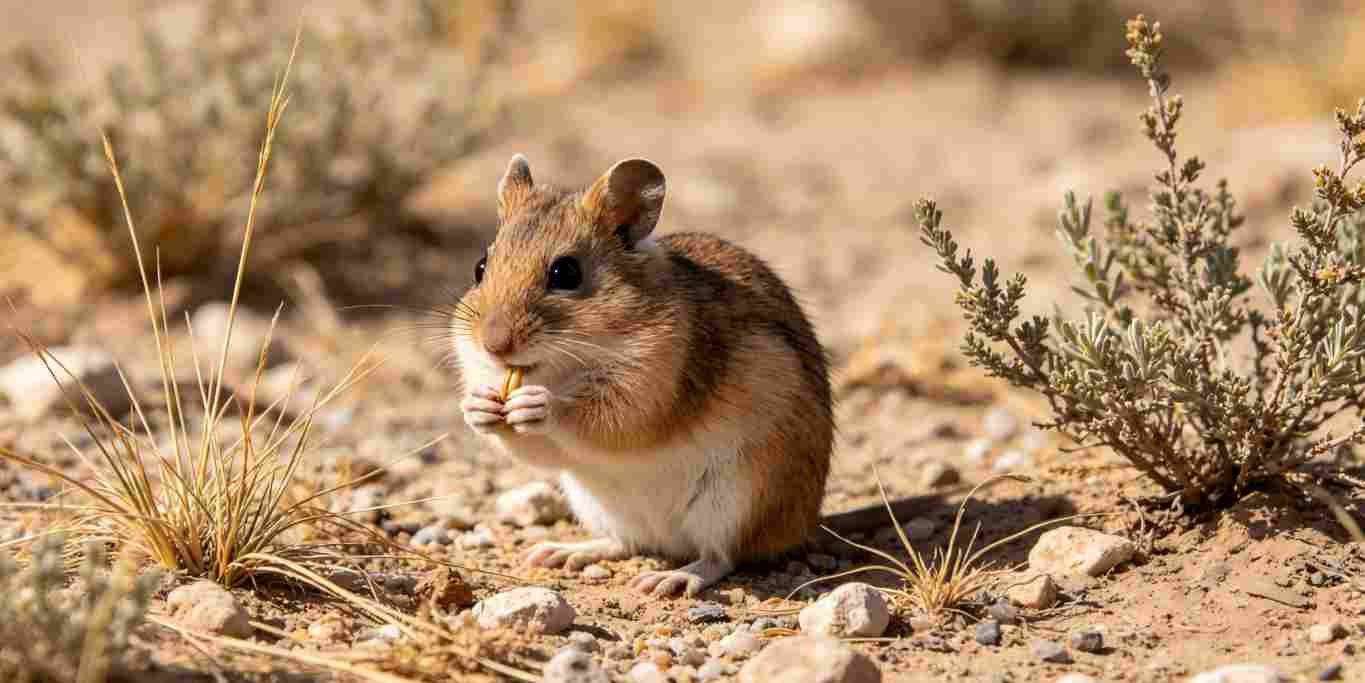
This myth mainly originates from their wild living background. Wild Djungarian hamsters inhabit the frigid grasslands of Siberia and Mongolia, where winters bring long-term low temperatures and limited food supplies. In the wild, they store massive amounts of seeds in underground burrows to survive cold months, and will briefly slow their metabolism to save energy.
In addition, Djungarian hamsters can turn their grey fur pure white in wild winter environments for camouflage. Their cold-adapted appearance leads owners to falsely assume they have evolved to hibernate safely through freezing winters. Many novice keepers mistake stiff, cold hamsters for normal hibernation and leave them unattended, which often leads to fatal outcomes.
The Biology of Djungarian Hamsters
Djungarian hamsters are tiny rodents weighing only 30–45 grams, with bodies built for foraging and burrowing rather than long-term dormancy. Wild individuals only experience mild short-term energy reduction, not deep multi-month hibernation like bears.
Domestic pet Djungarian hamsters raised indoors lose the wild survival rhythm to prepare for cold seasons. They cannot stock enough fat reserves to sustain weeks of low metabolism. Their bodies lack the stable physiological regulation needed for safe true hibernation. When the room temperature drops below 10°C, their body temperature, heartbeat and breathing rapidly decline, slipping into a life-threatening hypothermic torpor state.
How Do Djungarian Hamsters Survive Cold Weather Properly?
Instead of hibernating, healthy Djungarian hamsters rely on other survival strategies to get through cool seasons. They gather thick bedding to build warm nests, stock piles of grain and seed food in their hideouts, and stay active during nighttime hours to maintain body heat.
When feeling cold, they will curl tightly inside cotton nests instead of falling into a motionless dormant state. If given stable warm temperatures (18–26°C), sufficient food and thick bedding, they maintain normal activity levels all year round with no need for metabolic shutdown.
True Hibernating Animals: A Comparison
Many wild mammals such as ground squirrels and hedgehogs undergo natural, safe hibernation after storing large fat reserves. Their bodies slowly adjust metabolism over weeks before dormancy, and they wake periodically to eat stored food.
Djungarian hamsters have no such biological mechanism. Their torpor is an emergency stress response caused by sudden cold and food shortage, not a planned seasonal adaptation. Left untreated, hamsters in torpor will die from hypothermia, dehydration or starvation within days.
Conclusion
In reality, Djungarian hamsters cannot safely hibernate through winter. The widespread hibernation myth comes from misunderstandings of their wild cold-resistant traits and seasonal fur color change. Learning their real biological needs helps owners avoid fatal care mistakes and keep these tiny dwarf hamsters warm and active all year long.
Frequently Asked Questions
Can Djungarian hamsters stay dormant all winter safely?
No. Their dormant state in cold environments is dangerous hypothermic torpor, not safe hibernation, and may lead to death without timely warming treatment.
Why do Djungarian hamsters turn white in winter in the wild?
The fur color shift is a seasonal camouflage adaptation triggered by shortened daylight hours, unrelated to hibernation ability. Indoor pets rarely turn white under constant room lighting.
What temperature triggers torpor in Djungarian hamsters?
Temperatures consistently below 10°C will force them into low-metabolism torpor; keep their habitat between 18–26°C year-round.
How to rescue a Djungarian hamster in torpor?
Gradually warm it with gentle body heat, offer warm diluted honey water after it regains movement, and move the cage to a draft-free warm area.
Are other dwarf hamster breeds able to hibernate?
Campbell’s dwarf hamsters and Roborovski hamsters face the same risk of fatal torpor in cold weather; no domestic dwarf hamster breed can safely hibernate.