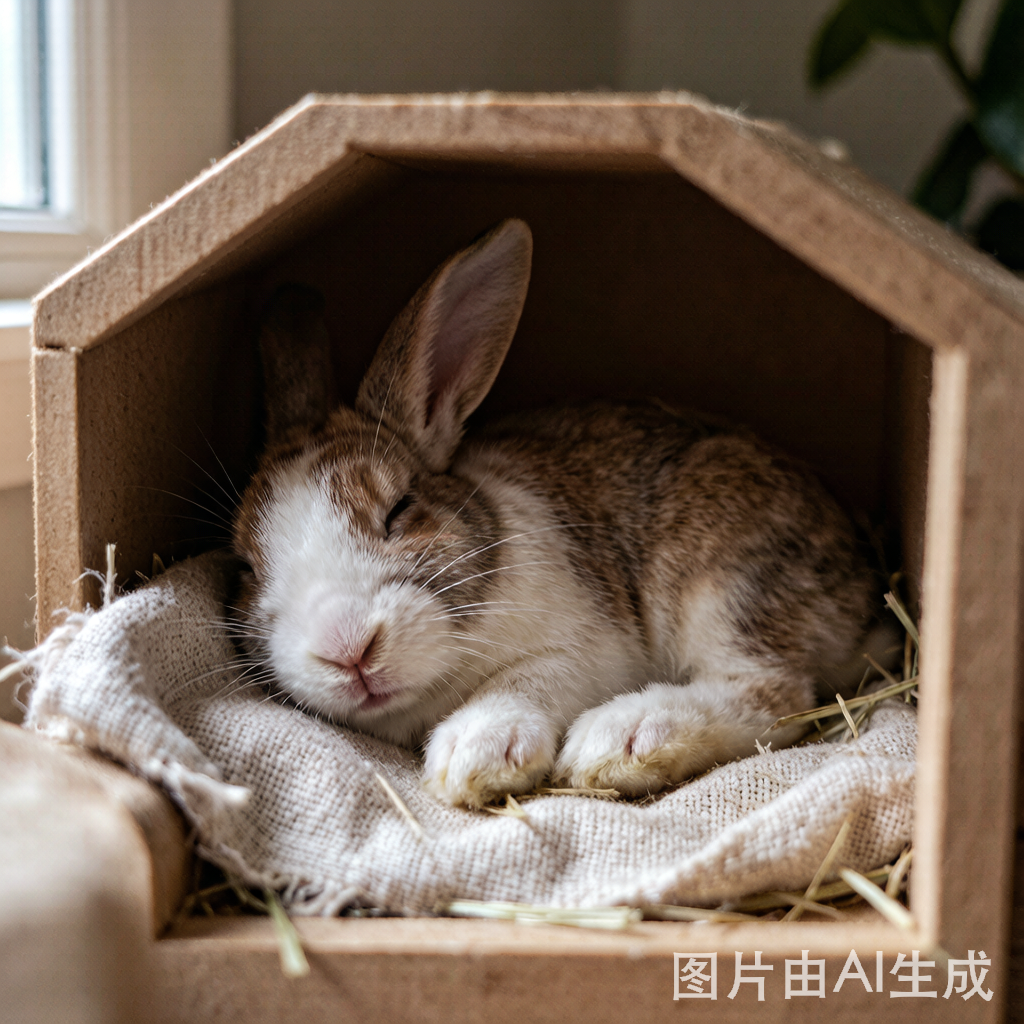
If you have ever watched a rabbit in a properly sized enclosure, you have probably noticed something subtle but telling: they spend a lot of time sitting still. Oh, they hop over to the hay rack, they rearrange their litter box, they flop dramatically in the corner — but they aren’t exactly training for a marathon. Now open that enclosure door and watch what happens. A rabbit given space to run doesn’t just walk — they binky. They leap into the air, twist their bodies mid-flight, and land with a joyous thud that says, more clearly than any words could, “I am alive and this space is mine.”
Rabbits are not ornamentation pets meant to be viewed from outside a cage. They are intelligent, social, active animals that need daily physical exercise and mental stimulation to thrive. A rabbit confined to a cage or hutch 24/7 is a rabbit destined for obesity, muscle atrophy, sore hocks, depression, and a tragically shortened lifespan. In this guide, we’ll explore exactly how much time your rabbit needs out of their enclosure, how to set up safe exercise spaces, the profound benefits of “free-range” living, and how to bond with your rabbit during this critical time together.
The Minimum: What Every Rabbit Needs
Every pet rabbit, regardless of breed, age, or temperament, needs at least 3–4 hours of out-of-cage time every single day. This isn’t a “nice to have” — it’s a welfare requirement. The House Rabbit Society, the leading authority on domestic rabbit care, recommends a minimum of 4 hours of daily exercise time in a rabbit-proofed area. Some rabbits need more; none need less.
If your current living situation genuinely cannot accommodate this (and “I don’t have time” is not an acceptable reason — rabbits live 8–12 years and this is part of the commitment you made), then you need to re-evaluate whether your housing setup or your schedule needs to change. A rabbit confined to a cage 23 hours a day is being kept in conditions that would be considered inhumane in many contexts.
“When I first got my rabbit, I let him out for 30 minutes a day. He was listless, overweight, and constantly chewing his cage bars. Once I bumped it up to 4 hours and rabbit-proofed my living room, he transformed. He started binkying, he lost weight, and he actually seemed to enjoy being petted. The daily time commitment is real, but the payoff is a completely different animal.” — Melissa G., convert to free-range rabbit keeping.
Free-Range vs. Scheduled Floor Time
There are two main approaches to giving rabbits exercise time, and both have merit depending on your living situation, the rabbit’s personality, and your ability to rabbit-proof effectively.
Free-range living:
In a free-range setup, the rabbit has access to one or more rooms (or the entire home) either full-time or for most of the day. They typically have a “home base” — a corner with a litter box, hay, and water — but they can come and go as they please. This is the gold standard of rabbit housing. Free-range rabbits tend to be more confident, more bonded to their humans, and physically healthier than caged rabbits.
Requirements for free-range living:
- Thorough rabbit-proofing (covering wires, protecting baseboards, removing toxic plants)
- A secure environment (no escape routes, no access to dangerous areas)
- A litter-trained rabbit (or at least a rabbit in progress)
- Human presence or the ability to monitor the rabbit remotely
Scheduled floor time:
Many rabbit owners use a hybrid approach: the rabbit lives in an exercise pen (x-pen) or a large cage and is let out into a designated area for 4–5 hours daily. This can work very well, especially for rabbits that aren’t fully litter-trained or for owners who cannot fully rabbit-proof their homes.
The key with scheduled floor time is consistency. Rabbits are creatures of habit. If they get used to coming out at 6 p.m. every evening, they will wait by the gate. If you skip days or vary the schedule wildly, you’ll have a frustrated, bar-chewing rabbit on your hands.
Rabbit-Proofing: Making the World Safe
Before you can let your rabbit out, you need to make the space safe — for your belongings and for the rabbit. Rabbits chew. They chew wires, baseboards, bookshelf corners, phone chargers, and anything else that looks remotely interesting. This isn’t malice; it’s instinct. Their teeth grow continuously and they need to chew to keep them worn down.
Essential rabbit-proofing steps:
- Cover all wires and cables. Use cord protectors, PVC pipe split lengthwise, or lift wires entirely out of reach. Chewing through a live wire is instantly fatal.
- Protect baseboards and furniture legs. Bitter apple spray is mildly effective; physical barriers (clear plastic guards, furniture covers) work better.
- Remove or secure toxic plants. Lilies, philodendrons, pothos, and many common houseplants are toxic to rabbits. Either remove them or place them well out of reach.
- Block off dangerous areas. Behind the refrigerator, inside the dishwasher (yes, rabbits have been known to climb in), and under recliners (which can crush a rabbit if activated) must be off-limits.
- Check for escape routes. Rabbits can squeeze through remarkably small gaps. Inspect windows, doors, and balcony access points.
The Profound Benefits of Daily Exercise
The benefits of out-of-cage time extend far beyond “getting some steps in.” Regular exercise affects every system in a rabbit’s body.
Physical health benefits:
- Prevents obesity: An overweight rabbit is a rabbit at risk for hepatic lipidosis (fatty liver disease), arthritis, and heart disease. Exercise helps maintain a healthy weight.
- Promotes healthy digestion: Movement stimulates gut motility. A rabbit that spends all day lying down is more prone to GI stasis.
- Strengthens bones and muscles: Weight-bearing exercise maintains bone density and muscle tone, especially important for senior rabbits.
- Reduces sore hock risk: Pressure sores develop when a rabbit sits on hard or wire surfaces for too long. Time on soft flooring (carpet, rugs, exercise mats) gives their feet a break.
Mental and emotional benefits:
- Reduces boredom and destructive behavior: A bored rabbit is a destructive rabbit. Chewing cage bars, digging at flooring, and aggressive behavior often stem from under-stimulation.
- Builds confidence: Shy rabbits often blossom when given space to explore. The more they investigate, the more confident they become.
- Strengthens the human-rabbit bond: Floor time is when the best interactions happen. Sit on the floor with your rabbit. Let them approach you. Offer treats. This is bonding time.
“My rescue rabbit, Thistle, spent her first two years in a small hutch. When I first let her out into a penned area, she didn’t know what to do with the space — she just sat there. It took three weeks of daily floor time before she did her first binky. Now she races around the room every evening. That transformation is the greatest joy of rabbit ownership.” — Sophie T., rabbit rescuer.
Making the Most of Floor Time: Enrichment Ideas
Four hours of sitting in an empty room isn’t much better than four hours in a cage. Your rabbit needs engagement during their out-of-cage time. Here’s how to make it count:
- Create obstacle courses: Use cardboard boxes, tunnels, and low jumps. Many rabbits enjoy agility-style exercises.
- Scatter-feed hay: Instead of putting all hay in a rack, scatter small handfuls around the room. Foraging is natural rabbit behavior.
- Rotate toys: A cardboard box that’s been sitting in the same spot for three weeks is boring. Move things around. (See our article on toy rotation for more ideas.)
- Use puzzle feeders: Treat balls, snuffle mats, and DIY puzzle boxes turn mealtime into an activity.
- Provide digging opportunities: A shallow box filled with shredded paper, Carefresh bedding, or organic soil gives dig-happy rabbits an appropriate outlet.
Age-Specific Exercise Needs
Not all rabbits can (or should) exercise at the same intensity.
Kits and juveniles (under 6 months): Young rabbits are bundles of energy and typically get all the exercise they need on their own. Supervise closely, as they are also more prone to injury from rash jumping. Provide safe spaces to run but avoid forced exercise.
Adults (1–7 years): This is prime exercise time. Most adult rabbits will enthusiastically explore, run, and play for 3–4 hours daily. Some high-energy breeds (Belgian Hares, English Spots) may need even more.
Seniors (7+ years): Older rabbits may have arthritis or reduced stamina. They still need daily exercise, but it may look different: shorter bursts of activity, more gentle exploration, and plenty of resting opportunities. Provide ramps instead of high jumps, and soft flooring to protect joints. Pain management (prescribed by a rabbit-savvy vet) can make a dramatic difference in a senior rabbit’s willingness to move.
Troubleshooting Common Floor-Time Problems
“My rabbit just hides the whole time.”
Shy or newly adopted rabbits may need time to adjust. Sit quietly on the floor and read or use your phone. Don’t try to force interaction. Offer treats from a distance and gradually decrease the distance over days or weeks. Some rabbits are naturally more cautious — respect that.
“My rabbit chews everything.”
Make sure appropriate chew toys are available before you let them out. If they go for your furniture, redirect them to a chew toy. Consistency and redirection work better than punishment (which doesn’t work on rabbits anyway).
“My rabbit has accidents outside the litter box.”
Some rabbits never achieve perfect house-training, and that’s okay. Use washable pee-pads in consistent problem areas, and make sure the litter box in their home base is clean and accessible. Spaying/neutering dramatically improves litter habits for most rabbits.
The Bottom Line
A rabbit in a cage is a rabbit waiting for a life they can’t fully access. Daily out-of-cage time isn’t optional — it’s the single most impactful thing you can do for your rabbit’s physical and emotional well-being. Whether you choose free-range living or structured floor time, commit to those 4 hours. Your rabbit’s binkies will be your reward.