Walk down the small-animal aisle of any pet store and you will be bombarded with colorful packaging promising to improve your rabbit’s health: “Multivitamin drops for glossy coat!” “Calcium-enriched treats for strong bones!” “Probiotic gel for digestive health!” The marketing is persuasive, and if you’re a conscientious owner, your instinct is probably to buy them all. After all, if a little is good, more must be better — right?
Wrong. In fact, over-supplementation is a far more common problem in pet rabbits than deficiency. Rabbits on a proper diet (unlimited grass hay, measured pellets, fresh water, and a small amount of fresh vegetables) receive all the vitamins and minerals they need from food alone. Adding supplements to this balanced foundation doesn’t make a healthy rabbit “extra healthy” — it can actually create dangerous imbalances that lead to kidney disease, bladder sludge, and metabolic problems. In this guide, we’ll cover when supplements are necessary, when they’re not, which ones have scientific backing, and how to avoid the expensive trap of unnecessary additives.
The Foundation: A Proper Diet Needs No Supplements
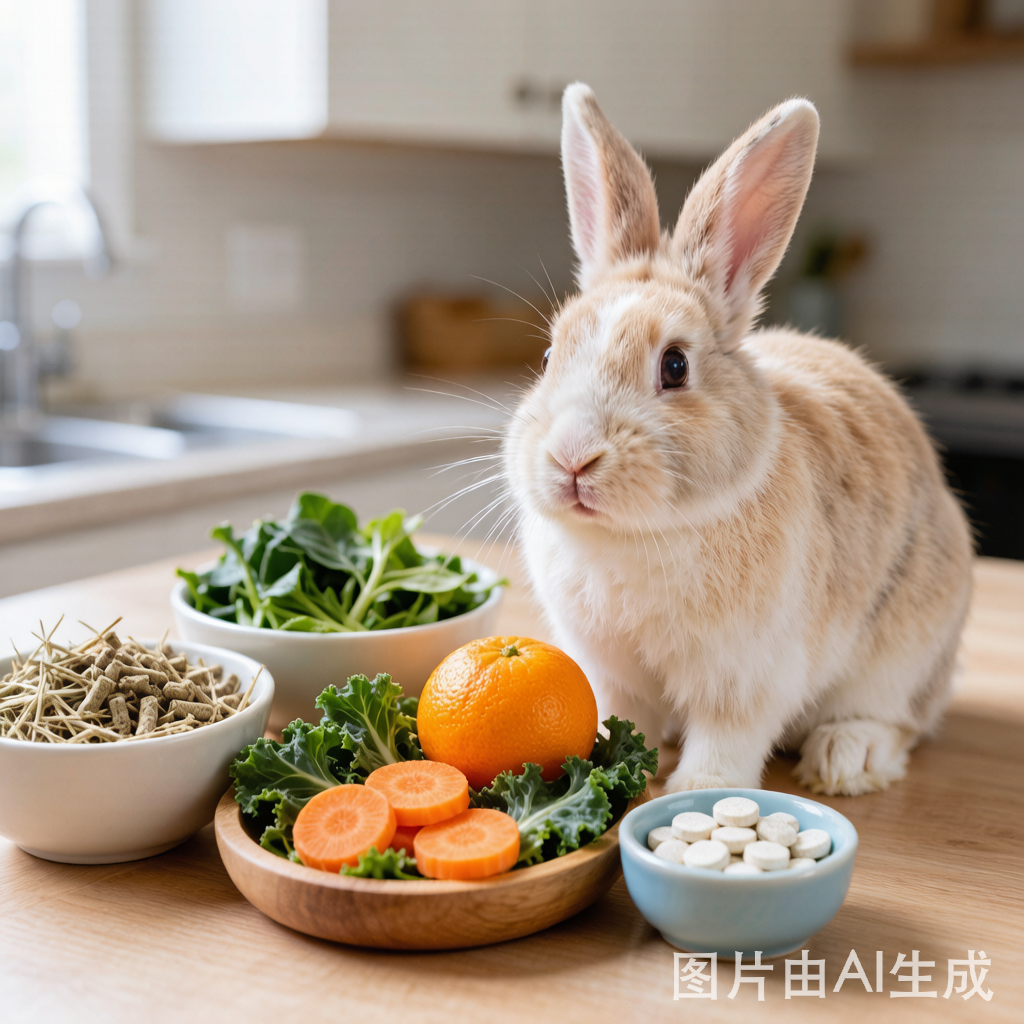
Before discussing any supplement, we have to establish the baseline. A rabbit eating a species-appropriate diet does not need vitamin or mineral supplements. Period. Here’s what “species-appropriate” looks like:
- Unlimited grass hay (timothy, orchard, meadow, brome): Provides all necessary fiber plus a baseline of vitamins A, D, E, and K from the plant material, plus calcium, phosphorus, and magnesium in appropriate ratios.
- Measured high-quality pellets (about 1/4 cup per 5 lbs body weight daily): Commercial rabbit pellets are formulated to be nutritionally complete. A good pellet is >18% fiber, <14% protein (for adults), and <1% calcium.
- Fresh water: Always available, changed daily.
- Fresh vegetables (1–2 cups per 5 lbs body weight daily): Leafy greens provide vitamin C, vitamin K, folate, and trace minerals.
If your rabbit eats this diet, they are getting complete nutrition. Adding a multivitamin is like adding extra water to a glass that’s already full — it doesn’t help, and it makes a mess.
“I spent the first two years of rabbit ownership buying every supplement the pet store recommended. Then my vet ran bloodwork and found that my rabbit had elevated calcium levels — from the ‘bone health’ supplement I was adding to his water. I stopped everything, switched to a hay-only water additive approach, and his levels normalized within six weeks. Expensive lesson.” — Brian K., rabbit owner.
When Supplements ARE Necessary
There are specific, well-defined circumstances where supplementation is appropriate and even essential. These are exceptions, not the rule, and they should always be guided by a rabbit-savvy veterinarian.
Situations that may require supplementation:
- Medically diagnosed deficiencies: Rare, but possible — usually in rabbits fed an inappropriate diet (all-seed mix, no hay) for extended periods.
- Recovery from illness or surgery: A rabbit recovering from GI stasis, dental surgery, or other major health events may benefit from temporary nutritional support, including specific vitamins or critical care formulas.
- Senior rabbits with reduced appetite: Older rabbits that aren’t eating a complete diet may need a liquid multivitamin or calorie supplement to prevent malnutrition.
- Rabbits on long-term medications: Some medications (especially certain antibiotics) can disrupt gut flora or deplete specific nutrients. Probiotic support may be recommended.
- Confirmed vitamin D deficiency: Rabbits who never receive natural sunlight and eat only indoor-grown hay may have suboptimal vitamin D levels. This is uncommon but possible.
Notice what’s not on this list: “general wellness,” “shiny coat,” “more energy,” or “preventive health.” Healthy rabbits on a good diet don’t need any of these.
The Dangers of Over-Supplementation
More is not better when it comes to vitamins and minerals. Because rabbits process nutrients differently from humans and carnivores, excesses can be particularly dangerous.
Vitamin A toxicity:
Vitamin A is fat-soluble, meaning it accumulates in body tissues rather than being excreted in urine. Chronic over-supplementation of vitamin A can cause bone deformities, weight loss, skin peeling, and birth defects in pregnant rabbits. Most commercial pellets already contain adequate vitamin A from dehydrated alfalfa or added retinol — adding more is risky.
Calcium excess and bladder issues:
This is the most common supplement-related problem in pet rabbits. Unlike humans, who regulate calcium absorption based on need, rabbits absorb calcium proportionally to intake — the more calcium in the diet, the more gets absorbed, and the more must be excreted through the kidneys. Excess dietary calcium leads to bladder sludge (thick, paste-like urine precipitate) and bladder stones (uroliths), both of which are painful and may require surgery.
Calcium supplements, calcium-enriched treats, and high-calcium vegetables (kale, spinach, chard) fed in large quantities all contribute to this problem. Alfalfa hay (high in calcium) should not be fed to adult rabbits as a primary hay for this reason.
Vitamin D toxicity:
Like vitamin A, vitamin D is fat-soluble. Excessive vitamin D causes hypercalcemia (high blood calcium), calcification of soft tissues, and kidney damage. While vitamin D deficiency is occasionally a concern, vitamin D excess is a far more common problem in rabbits given unregulated supplements.
Probiotic overkill:
Rabbit-specific probiotics (containing Enterococcus faecium or similar strains) can be helpful after antibiotic treatment, but indiscriminate use can alter the delicate cecal flora balance. The rabbit cecum is a finely tuned ecosystem; dumping in billions of foreign bacteria doesn’t necessarily help and can sometimes cause loose cecotropes.
A Critical Look at Common Rabbit Supplements
Let’s evaluate the most commonly marketed rabbit supplements and what the evidence actually says.
Multivitamin drops (added to water):
Verdict: Unnecessary for healthy rabbits. These products are essentially vitamins dissolved in water. The problem? They make the water taste odd, which can reduce water consumption — the exact opposite of what you want. They also degrade rapidly once mixed into water, meaning your rabbit gets an uncertain dose. If a vitamin deficiency is confirmed, a targeted supplement is far more appropriate than a broad-spectrum water additive.
Probiotics (powders, gels, chews):
Verdict: Useful in specific circumstances, unnecessary for daily use. Probiotics can help restore gut flora after antibiotic treatment (which kills both harmful and beneficial bacteria). However, the strains in many commercial rabbit probiotics are not the same as the native bacteria in a rabbit’s cecum, limiting their effectiveness. A vet-recommended probiotic used for 7–14 days after antibiotics is reasonable; daily long-term use is not evidence-based.
Joint supplements (glucosamine, chondroitin):
Verdict: Possibly helpful for senior rabbits with confirmed arthritis, but evidence is limited. Some rabbit owners report improved mobility with joint supplements, but there are no large-scale studies in rabbits. If your senior rabbit has arthritis, ask your vet about evidence-based pain management (meloxicam, gabapentin, or other rabbit-safe NSAIDs) rather than relying solely on supplements.
Salt or mineral licks:
Verdict: Unnecessary and potentially harmful. Rabbits on a complete diet do not need added salt or minerals. Salt licks can encourage excessive water consumption (leading to messy litter boxes) or, conversely, cause dehydration if the rabbit avoids the salty water. They are a holdover from horse and livestock nutrition and don’t belong in a rabbit enclosure.
Apple cider vinegar (ACV):
Verdict: No scientific evidence of benefit; potential downsides. ACV is touted online as a cure-all for everything from urinary health to parasite prevention. The scientific evidence in rabbits is essentially nonexistent. Adding ACV to drinking water alters the taste, which may reduce consumption. If you want to offer a small amount (1 teaspoon per quart of water) occasionally, it’s unlikely to cause harm — but don’t expect miracles, and don’t rely on it for any medical purpose.
“The rabbit community online is full of well-meaning but scientifically shaky advice. I spent hundreds of dollars on supplements my first year — ACV, multivitamins, joint chews, probiotic gels, you name it. Then I found a rabbit-savvy vet who sat me down and explained that my rabbit’s excellent diet made all of it unnecessary. I felt ridiculous, but also relieved. Less stuff to buy, less to worry about.” — Nina P., formerly over-supplementing rabbit owner.
What About Wild Rabbits?
A common argument for supplementation is: “Wild rabbits eat a wider variety of plants and get more nutrients that way.” This is partially true — wild rabbits do consume a diverse range of vegetation. However, they also have shorter lifespans, higher parasite loads, and don’t have access to veterinary care. The goal of domestication isn’t to perfectly replicate the wild diet; it’s to provide optimal nutrition that supports a long, healthy life. High-quality hay and pellets are nutritionally complete by design.
The One Supplement That Might Make Sense
If there is one supplement with a reasonable evidence base for general rabbit health, it’s timothy hay-based chew treats with added botanicals — wait, no, that’s still just hay. The truth is, the “supplement” your rabbit actually needs is probably already in your hay rack.
The only supplement routinely recommended by some rabbit veterinarians is a rabbit-specific vitamin/mineral block — but even these are controversial. If you choose to offer one, make sure it’s specifically formulated for rabbits (not rodents or guinea pigs) and that it doesn’t contain added sugar or artificial colors.
Working with Your Vet on Nutrition
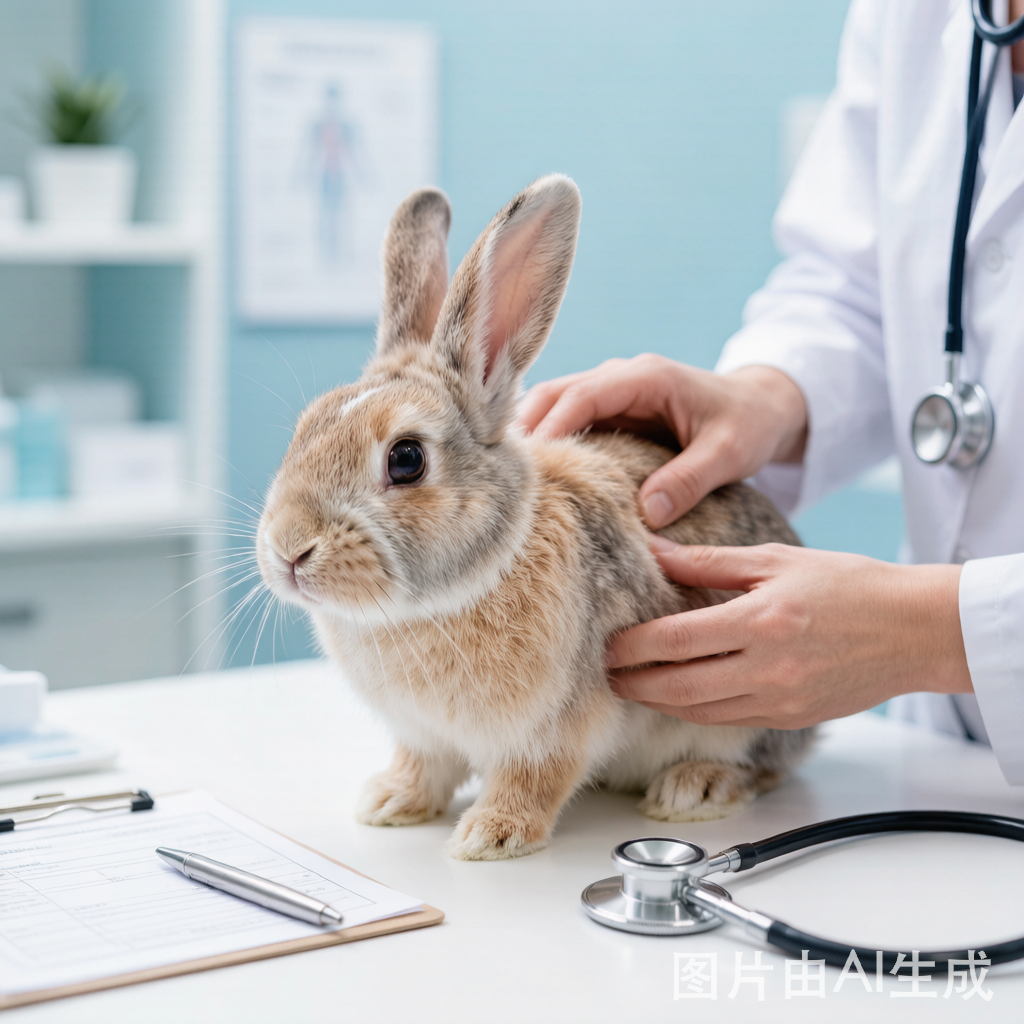
If you’re concerned that your rabbit might have a nutritional deficiency, don’t guess — test. A rabbit-savvy vet can run bloodwork to check vitamin levels, kidney function, and calcium status. This is far more informative than guessing based on your rabbit’s coat appearance or energy level. Nutritional Bloodwork gives you real data to base decisions on.
For most rabbit owners, the best “supplement” is actually environmental: more exercise, more hay, more out-of-cage time, and more mental stimulation. These have proven benefits and zero risk of overdose.
The Bottom Line
If your rabbit eats unlimited grass hay, a measured amount of high-quality pellets, and a daily serving of fresh greens, they do not need supplements. Save your money, avoid the risk of over-supplementation, and focus on the things that actually improve rabbit health: excellent hay, fresh water, a clean environment, regular vet care, and plenty of love. Your rabbit — and your wallet — will be better off for it.