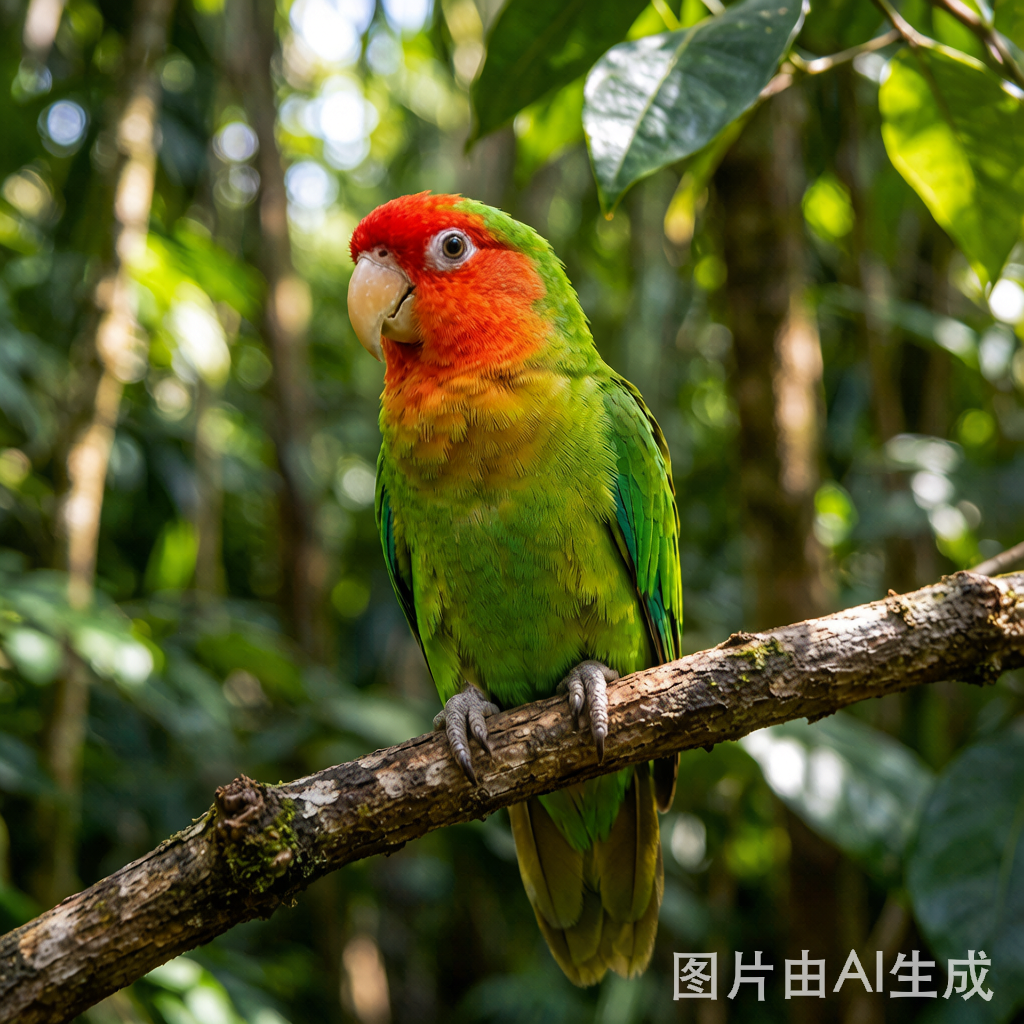
Grooming is one of those parrot care tasks that inspires equal parts anxiety and procrastination in most owners. The fear of cutting a quick, the uncertainty about how short to clip wings, and the general dread of handling a reluctant bird all add up to groomings that happen too infrequently—or get avoided entirely until a problem forces the issue.
Understanding Nail Growth in Parrots
A parrot’s nails grow continuously throughout their life, much like human fingernails. In the wild, constant activity—perching on rough bark, climbing textured branches, walking on gravel—naturally file nails down to a comfortable length. In captivity, our smooth perches, clean cages, and padded floors mean nails grow unchecked unless we intervene.
Signs Your Parrot’s Nails Are Too Long:
- Nails catch on clothing, towels, or toys and tear
- The parrot has difficulty gripping perches (you notice frequent slipping)
- Nails visibly curl or hook at the tip
- You hear clicking sounds when your bird walks on a hard floor
- Nails are long enough to pierce skin on your arm during handling
- The quick (the blood vessel inside the nail) has extended, making safe trimming harder
“My Moluccan cockatoo’s nails grew so long they actually curled around and embedded into her toe pads. The vet bill was significant, and she had to wear a cone for weeks while they healed. Now I check her nails every three weeks. It’s a five-minute job if you stay on top of it.” — Ben W., cockatoo owner.
How Often to Trim Nails: Every 4–8 Weeks
Most parrots need their nails trimmed every 4–8 weeks. The exact interval depends on:
- Growth rate: Young birds and fast growers may need trimming every 3–4 weeks. Older birds sometimes slow down.
- Perch texture: Concrete or natural wood perches provide some nail filing naturally. Birds with rougher perches may need less frequent trimming.
- Species: Large parrots (macaws, cockatoos) tend to grow nails more slowly than small parrots (budgies, lovebirds).
- Individual variation: Some birds’ nails grow faster than others—monitor your specific bird.
How Much to Trim:
Only trim the sharp hook at the tip—approximately 1–2mm past where the quick ends. The quick appears as a pink or reddish line running through the nail. In dark nails (common in African Greys, Cockatoos, and some Amazons), the quick is harder to see—trim conservatively.
If you cut into the quick: Apply styptic powder (available at pet stores) immediately to stop bleeding. Remain calm—your bird will feel pain but will recover quickly. If bleeding doesn’t stop within 5 minutes, contact your avian vet.
Understanding Wing Trimming
Wing trimming is a contentious topic in the parrot community. Done correctly, it allows controlled flight and safe ground time. Done poorly, it can lead to injury, behavioral problems, or unregulated falls. The decision to trim wings—and how often to re-trim—deserves careful consideration.
Arguments For Wing Trimming:
- Prevents escape through open windows or doors
- Reduces risk of injury from crashing into windows, mirrors, or ceiling fans
- Makes handling easier and safer for veterinary procedures
- Can help with training and bonding, especially in new birds
Arguments Against Wing Trimming:
- Flight is natural exercise and enrichment
- Trimmed birds can still achieve enough lift for dangerous falls
- Imbalanced trimming (one wing only) causes serious muscle and balance problems
- Can lead to feather plucking in stress-prone species
- Some countries (e.g., UK) and organizations consider full clipping unethical
How Often to Re-Trim Wings: Every 6–12 Months
Wing feathers grow back during each molt, so re-trimming is needed periodically. The interval depends on your bird’s molting schedule.
- Major molt: Most parrots undergo one major molt per year (often in late summer or early fall), replacing their flight feathers over several weeks. If your bird is trimmed, expect to re-trim approximately 2–4 weeks after the molt begins, once the new feathers have fully emerged.
- Minor molts: Some parrots have smaller, irregular molts throughout the year. Check wing feathers monthly during these periods.
- General schedule: Inspect wing feathers every 4–6 weeks. If new flight feathers have grown in past the desired length, re-trim.
The Safe Trimming Method:
If you choose to trim wings:
- Trim both wings symmetrically to prevent imbalance
- Trim only the primary flight feathers (the first 6–8 feathers, counting from the wing tip)
- Leave the secondary feathers and coverts for aesthetic reasons and some lift
- Leave 1–2 primary feathers untrimmed at the bottom of the clip for some landing control
- Never trim a bird you don’t fully know—an unfamiliar or stressed bird can seriously injure itself. If unsure, use an avian groomer or vet.
Should You Do Grooming Yourself or See a Professional?
For nail trimming: With patience and practice, most owners can learn to do this at home. Use proper bird nail clippers (not human clippers or scissors), work in good lighting, and have styptic powder on hand. If your parrot is small (budgie, lovebird) and you feel confident, go for it. For large parrots with dark nails or for your first few attempts on any species, consider having a professional show you the technique first.
For wing trimming: This is more complex and carries higher risk of injury if done incorrectly. We strongly recommend having wing trims performed by an avian veterinarian, a professional bird groomer, or an experienced breeder. Once you’ve watched a professional do it correctly, you can maintain trims at home if you’re comfortable.
DIY Grooming at Home: A Safety Checklist
- ✅ Work in a quiet, well-lit room with a non-slip surface
- ✅ Have a second person available for large or uncooperative birds
- ✅ Use proper tools: bird nail clippers or a Dremel with a sanding attachment
- ✅ Have styptic powder within arm’s reach before starting
- ✅ Keep sessions short (under 5 minutes per bird) to minimize stress
- ✅ Reward calm behavior with treats throughout and after
- ❌ Never groom a bird that is eating, sleeping, or unwell
- ❌ Never restrain a bird by the chest or wings in a way that restricts breathing
- ❌ Never trim if you are feeling rushed or anxious—birds sense emotional tension
Conclusion
Nail trims every 4–8 weeks and wing inspections every 4–6 weeks (with re-trimming as needed after molts) represent a reasonable baseline. The exact schedule depends on your individual bird’s growth rate, behavior, and your household environment.
The goal isn’t perfectly groomed talons—it’s a bird who can perch comfortably, walk safely, and (if flight is allowed) fly without injury risk. Stay consistent, stay calm, and don’t let grooming become a source of stress for either of you. When done regularly and gently, grooming becomes just another part of your bird care routine.
For more parrot care guides, visit our parrot category.